
Books
Self-discovery
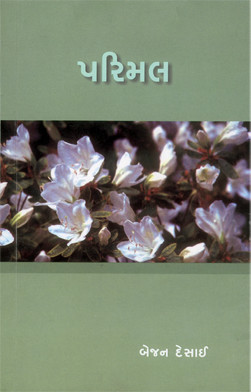
Parimal by Bejon Desai. Published in 2007 by Nawaz Publication, DeSai, 111, Shivgiri, D’Souza Clny, HPT College Rd, Nasik 422005. Pp: 124. Price: Rs 70 + Rs 30 for postage.
Parimal is a soundly-reasoned, well-written, intelligent, coherent and resounding book in Gujarati which leaves the reader both impressed and intrigued. It takes you on an imaginative and vivid adventure, introducing you to characters who are highly stimulating, plausible and colorful, convincing you that there’s more to life which has to be experienced both at a physical level and, more importantly, at a metaphysical level.
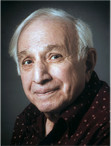
Bejon Desai: mystic musings
From the very first few sentences of the initial essay, this book carries you, unprotesting, right up to the end leaving you thirsting for more knowledge. In the first essay, author Bejon Desai takes the reader into his inner consciousness where mystics Paul Brunton, Paramhans Yoganand, Lahiri Mahashey and Kamubaba have imprinted their ethos. He relates how he went to meet Anandamayi Mataji at Shapoorji Pallonji’s Juhu bungalow along with Kamubaba’s follower Sopori Bapu of Kashmir. Suddenly, he was unable to find his shoes and Mataji told him to walk barefoot all the way to Jogeshwari. Desai also translated Mataji’s Gyanyagna from Hindi into Gujarati within two days for which she rewarded him with her personal prayer beads (mala) which is like a living talisman for him. From day one, he was mysteriously attracted to Mataji’s painting at the Juhu bungalow. The painting had already been sold. Being a clairvoyant (antaryami), Mataji found a way to gift it to him years later under mysterious circumstances.
In another essay, the author rightly says that just as we need physical comforts like food, clothing and shelter in this world, we also need metaphysical comforts like knowledge, devotion and absence of desire.
On a lighter note we read about the proud panditji who admonished the boatman while crossing a river that if you can’t read philosophical literature, you’re sure to drown in the waters of life. Just then, there was a storm and the boatman said, "Panditji, if you can’t swim, you’re sure to drown in this river.”
The poems which touch the soul are "Prabhuji Vahala (God is dear),” "Saharo Malé Chè (support is available),” "Maut ni Zikr (mention of death),” "Kamubaba” and "Ektaro.” Perhaps they were inspired by Haridasji Maharaj and Narayan Swami whom Desai met and was highly impressed with.
There are essays on shyness, the crucifixion of Jesus Christ, the Aurobindo Ashram in Pondicherry, Bahrain, Tulsidas, etc. The most touching real life story is that of blind Pesikaka and his three blind sons. It delineates how Pesikaka helped one of them (Eruch) at the time of death. The father sent off the son to life eternal with Avesta prayers and Haoma water.
There’s a wealth of knowledge in pieces on Noshirwan-e-Adil, Adi Shankracharya, understanding, compromising in life and an amusing anecdote from Jalal-u-Din Rumi.
The last chapter dwells on the etymology of numbers one to 10 comparing them with Sanskrit and Avestan.
The book has a wealth of knowledge and is a sheer pleasure (nirmal anand) for like-minded people who are evolving on this lonely path of self-discovery. To the average, materialistic reader, it may just be another book. Truly, it’s been said: "Gyani ko gyani milé, toh gyan ki lootaloot/Gyani ko agyani milé, toh badi mathakoot (If a wise man encounters another wise man, each gains wisdom from the other, but if a wise man meets an ignorant man there is infinite trouble)!”
So go ahead, read the book and go on a looting spree of the supreme reality (atmagyan)!
◆ ◆ ◆
From the archive