
The Asundarias and agriculture
An enterprising and progressive family in rural Gujarat prospered by working the land
The story of the Asundaria family and their agricultural enterprises is more or less typical of the hardworking Parsi farmers and their destiny. Behramji Sohrabji Asundaria (affectionately known as Behla Mama) was the head of the clan and lived to the ripe old age of 82 at a time when life expectancy for village males in India was around 42 years. Dosabhai, his son, was born in 1914, around the same time as my mother, the late Dr Goolbanoo B. Damania who was the daughter of Avabai, also of the Asundaria family. The Asundarias were engaged in agriculture and owned vast tracts of land in and around Asundar and another village called Vesma. Income from agriculture (mainly sorghum, millets and cotton) was good, and afforded a comfortable and relaxed village life with good, unadulterated food and drink.
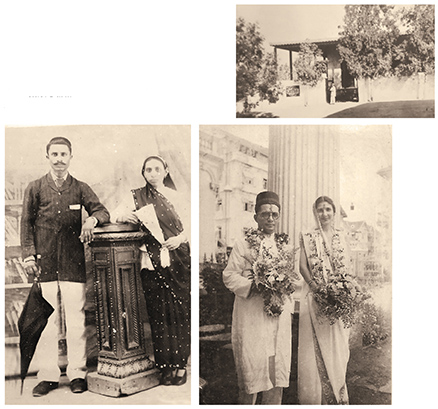
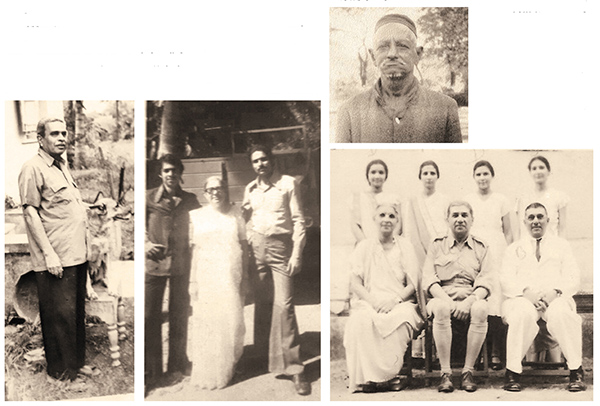
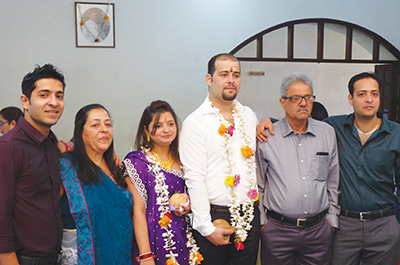
The Asundarias took to farming with a vengeance and dug several tube wells, installed pumps and began to grow bananas and sugarcane, dropping dryland crops like sorghum, millets and landrace cotton. They even planted high-yielding hybrid cotton. They tried any new thing that came along, including the use of pesticides and composting, achieving a modest degree of success. When Dosabhai’s eldest son Aspi was managing the show, they bought a brand new tractor in 1975 for Rs 75,000, a very large sum for a farmer at that time. It was the first tractor in the area. After their own land was worked on by the tractor, the multi-purpose machine was rented out to others and used day and night, bringing in additional income. Finally, the Asundarias dropped all other crops in favor of sugarcane as finding labor to harvest and manage the crops was becoming difficult. Sugarcane brought in maximum profits and a cooperative sugar mill in Maroli (about eight miles distance on the road to Surat) bought their entire crop which was easy to harvest mechanically. Sugarcane is a crop that is least affected by weather and pests, but it does need a high amount of nitrogen fertilizer.
Expansion into dairy farming was the way to go and, with the purchase of a few buffaloes and cows, a thriving milk distribution business was set up. Seventy customers, including sweetmeat shops in Navsari, were supplied with pure milk delivered on three-wheeled motorcycles and scooters. Success in business led to success in village elections and Aspi was elected sarpanch of the village. He also was inducted as director of the Maroli sugarcane cooperative factory. With the purchase of more land from his uncles who wished to retire, he planted 300 chikoo trees and 500 mango trees as well. With the income from chikoos, mangoes and sugarcane increasing, Aspi stopped his labor intensive milk business, much to the regret of his many customers who relied on him for unadulterated, fresh milk.
Valsad mangoes
The Alphonso mango (known locally as haapus), for which the town of Valsad in Gujarat and environs was once famous, is still important to the local economy. Villages in the district have numerous mango orchards, the only source of income for many. The haapus variety is well known for its sweet taste and texture among mango lovers all over the world. The finest Valsad haapus will soon be on the shelves of the world’s largest retailer, Walmart.
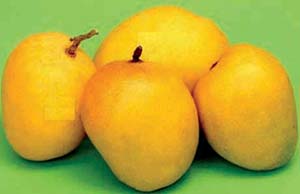
Their wheat fields stretched into the distance, bordered by large Valsad mango trees burdened with warm, heavy fruit hanging from foot long stems. From the front yard of the Kambada farm house my aunt Soona would squint her eyes in the blazing April sun, scanning the wheat fields shimmering in the heat. Her fair face with light brown eyes reflected her steely resolve and businesslike manner as she shouted orders in Gujarati to her employees and trusted lieutenants. With Noshir frequently away on business, meeting wholesalers in Bombay and signing contracts, all responsibility for production rested squarely on her shoulders.
In the distance, the tractor and trailer lurched dangerously as it made its way over an uneven dirt road. It brought in yet another load of juicy haapus mangoes, all of them green with a tinge of red. Packing operations would be humming along under her watchful eye. Workers would arrange the fruit in neat circular patterns in woven baskets; each basket containing 55 mangoes nestling on golden, yellow straw. Further down the line, men would be sewing the toplas (hand woven baskets made of twigs) shut, their arms stretching above their heads in quick motion, fingers clutching long needles with which they sewed and tightened the jute cloth covering. A few men then carried the toplas to a nearby godown. One basket of the best mangoes would be dispatched to us in Bombay.
The land in front of the farm house was vast. To the left preparations were being made for threshing the wheat. Two huge horizontal logs raised to waist level were worn smooth as hundreds of bundles of wheat had been beaten into submission on them over the years. The golden grain fell to the ground as it separated from the chaff. At some distance from the threshing area, two wooden presses were in operation. Men with their sweaty bare chests plied two bulls in a circular rheinte, slowly compressing the straw into dense rectangular bundles which were later sold as cattle feed or hay. Soona was fair in assigning tasks and extracting a good day’s work. She did not need to be reminded that several freight cars were waiting to be loaded at the siding at Sanjan railway station. There was little time to waste.
The native Warlla tribal workers would keenly watch her every move. Over the years, they had come to respect her, having experienced both compassion and fierce anger from their Soonabai. Initially, they had been wary about having a woman boss as in their culture men always dominate and women follow. Soona had to prove herself, working harder than Noshir while managing them. She decided to do so with both fear and kindness. She had no choice but to be a tough taskmaster. Tough but fair. After all, she was a lone woman operating amongst men on a farm located in a jungle in the 1930s to 1950s. Naturally, at no time could she exhibit even a hint of fear.
One night Soona died in her sleep. Noshir said he did not realize it till the next morning. He later re-married and due to the Land Ceiling Act, he sold his entire holding and retired.
These edited extracts have been reprinted from The Parsi Contribution to Indian Agriculture and Agresearch by Dr Ardeshir B. Damania of the Department of Plant Sciences, University of California, Davis, California, USA first published in the Journal of Asian Agri-History Foundation, Secunderabad, Volume 19 (2).