
“I was no ‘Maoist ideolog’”
Battling for the disadvantaged is fraught with risk
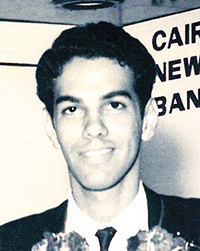
Barely six months after my return from the UK in 1972, the Dalit Panther Movement (DPM) broke out in Bombay. Coincidentally its epicentre was at Worli, where I was then staying at my parents’ flat. By then I had already begun working in a slum at Worli Naka (Mayanagar, adjoining the Coca Cola factory), which happened to be fully Dalit.
Having just faced racism and read the writings of the Black Panther leaders (on which the DPM was modelled), I was naturally drawn to the DPM. I had already been introduced to the horrors of untouchability (far worse than racism) by the youth of Mayanagar, while organizing them against the slumlords and for better living conditions. When a veritable three-four-month war broke out between the Dalit youth and the Shiv Sena/Police in the Worli BDD chawl area, I got fully involved. Though the movement soon died down, it resulted in an enormous leap in self-assertion of Dalits, particularly in Maharashtra.
Since then, a major part of my activism has been amongst Dalits. Though I was also active amongst the working class in Maharashtra, and also in the post-Emergency civil liberties movement, my main focus has been amongst Dalits. In this my late wife, Anuradha, played an even larger role.
While in Bombay, besides Mayanagar, we worked in other Dalit bastis (shanty towns) as well. Issues mostly revolved around improving living conditions — like toilets, water, electricity, drainage, etc. After moving to Nagpur in 1982 we stayed and worked amongst the youth of Indora — which is said to be the biggest Dalit basti in Maharashtra. We also worked amongst the bidi (indigenous cigarettes) workers in rural Bhandara, all of whom are Dalits. The latter were paid a pittance by contractors for rolling bidis and lived in acute poverty, being landless. They also faced social discrimination.
Besides the DPM, we also, in some way or other, participated in the three major Dalit movements that shook Maharashtra in the 1980s and 1990s: the Namantar movement (to name Marathwada University as Ambedkar University); the movement against the banning of Ambedkar’s pioneering work Riddles in Hinduism; and the mass upsurge against the killing of 11 Dalits at Ramabainagar (Chembur), after miscreants put a garland of chappals on Ambedkar’s statue. Besides this, we participated in many a working class movement of unorganized labor.
Now, if we turn to my writings, I was no "Maoist ideolog” (those who write on the problems of the movement) as made out by the media, but a critical analyst, writing on caste and economic issues; no doubt, using a Marxist/Maoist approach.
Anuradha and I had written detailed articles on the caste/Dalit question, initiated by a major article in Sharad Patil’s Marathi magazine, Satyashodhak Marxwad (from Dhulia) in 1978. In this we analytically stated that thorough democratization of India is impossible as long as caste superiority and untouchability continue to dominate its mindset. An entire thesis on the issue by Anuradha was released posthumously a few years ago, by an ex-chief justice of the Delhi High Court.
On economics, I have written articles throughout these three decades on issues varying from agrarian analysis, to financialization of the Indian and world economies, as also at least a dozen (or more) budget analyses, the market in India, banking and their crisis, path for inclusive development, etc. (I have) also done numerous socioeconomic studies like backwardness of Vidarbha, developmental work by Naxalites in Bastar (till 1998), rural distress, and suicides by farmers, etc. In 2004, I wrote a book on the ills of the Indian economy, and proposed a way forward. In 2009, just prior to my arrest, a book on the 2008 world financial meltdown was published. All these writings are in the public domain.
Now, could any of these be said to be seditious [though no such charge has been put, the UAPA (Unlawful Activities Prevention Act) amounts to that] or activities against the country’s interest that should entail such incarceration? Rather than imprison, why do they not discuss these issues? Let us hope the new government sees more sense. Also, under the constitution, they have powers to release those above 65 years.