
Books
The Raja of portraiture
"A gathering of friends,” is how art aficionado Dr Sharyu Doshi described the distinguished audience at the K. R. Cama Oriental Institute (KRCOI) on March 7, 2012 while launching the Institute’s pictorial book Parsi Portraits From The Studio of Raja Ravi Varma. Authored by art historian Priya Maholay Jaradi, the 91-page book priced at Rs 1,500 carries 26 works of the noted painter.
Doshi, who according to KRCOI chairman Muncherji Cama "has devoted her life to art and culture,” spoke of the Parsis’ "close connection with Raja Ravi Varma as a painter,” as well as her own "increasing affinity with (Parsis) I have known for a long time.” She singled out Khorshed Gandhy who was seated in the audience, recalling their collaboration to put up an exhibition titled "Parsi Portraits” at the National Gallery for Modern Art which Doshi headed at the time.
Doshi, who according to KRCOI chairman Muncherji Cama "has devoted her life to art and culture,” spoke of the Parsis’ "close connection with Raja Ravi Varma as a painter,” as well as her own "increasing affinity with (Parsis) I have known for a long time.” She singled out Khorshed Gandhy who was seated in the audience, recalling their collaboration to put up an exhibition titled "Parsi Portraits” at the National Gallery for Modern Art which Doshi headed at the time.
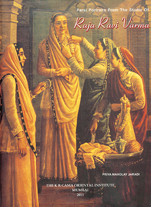
Jaradi who was an assistant curator at the Asian Civilizations Museum in Singapore said she "worked on Raja Ravi Varma for my master’s thesis. My interest in the subject converged with the (Cama) Institute’s” resulting in the publication of the book. She spoke of how Varma had "no one to teach” him painting and how "by observing he learned to mix colors and paint… He had no formal art education…but his aristocratic demeanor may have helped” in impressing his clients. Varma’s brother C. Raja Raja Varma who served as his co-artist, manager and secretary, maintained a diary from 1885 to 1905 on which Jaradi relied for much of her material.
As the brothers did not have a house of their own they "sojourned in Setna Lodging in Girgaum where also resided their friend Sohrab Pastonji and his aunt… Varma had seen the lifestyle of the Parsis of the late 19th century, the interiors of their homes, their practices, customs and atmosphere.” The brothers frequented the theater which proved a sound "networking ground where they met Parsi patrons” amongst others.
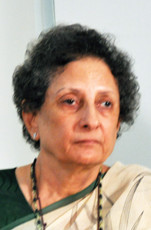
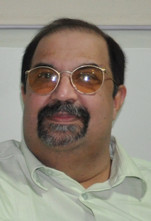
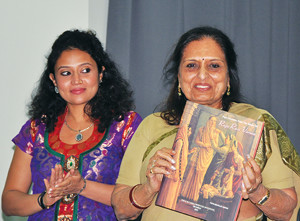
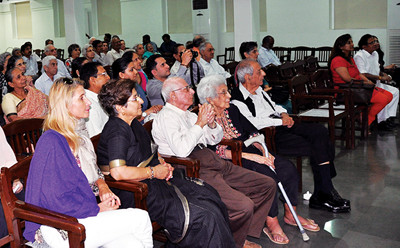
(Top left ) Dr Nawaz Mody; Muncherji Cama; (below) Priya Maholay Jaradi with Dr Sharyu Doshi; audience with Khorshed and Kekoo Gandhy
Varma had painted portraits of "nearly all the Parsi members of the Bombay Presidency Association,” said the historian. "He shared close relationships with Sir Dinshaw Petit and Sir Jamsetjee Jejeebhoy and also painted their portraits amongst others.” The brothers knew the Dewan of Ratlam, Cursetjee Rustamji. Faridunji Jamsetjee, secretary to the Hyderabad Nizam’s Prime Minister and Aloo Khareghat (later Patel) as well as her mother and brother in Madras.
"His Parsi portraits and the keen observation that went in their execution contributed to genre subjects like Parsi Beauty, Decking the Bride and Galaxy of Musicians, among other works especially painted to be reproduced as oleographs (printed by lithography to resemble oil paintings) like Portrait of a Young Woman,” stated Jaradi.
"Another instrument that may have helped Varma in the accurate representation of subjects in art was photography.” Varma would often make the subject sit and have Shrirampant Joshi, who had learned the ancient wet plate photography technique, take a photograph. "These photographs became visual references for Varma’s compositions. Portraits like those of Dadabhai Naoroji and an important commission of another portrait of a leading Parsi scholar in 1896, indicate both live sitting and also the employment of photography,” noted Jaradi.
"It is interesting how the Parsis, also avid photographers themselves and patrons of the art of photography continued to simultaneously patronize portrait painting. This was because a painted portrait was considered more valuable and elitist than a portrait photograph,” she observed. Varma’s development as a professional painter coincided with "the emergence of the Parsi community as an important patron segment of the art of portraiture,” said Jaradi adding that his "portraits obviously possessed an exceptional quality to continually enchant his learned and art-conscious patrons.”
◆ ◆ ◆
From the archive