
Events & Personalities
Recollections of Bella
There are not many Parsis around today who lived in Rangoon during the time the Saklat vs Bella case was fought in the 1920s. Homi Eduljee, the president of the Parsi Irani Zoroastrian Anjuman of the Nilgiris who resides in Ootacamund with his wife Minnie, is one of them. At Parsiana’s request Eduljee related his recollections of Bella, the controversy and the landmark legal case:
Early in the 1900s a Parsi lady came to Rangoon with her Goan husband. Soon after their arrival the man abandoned her and disappeared. The lady was pregnant and near the time of her delivery fell seriously ill. She probably felt that she would not survive the birth of the child and she told the doctor that if she died while giving birth, then she would like the child to be adopted by a Parsi. She did die and the doctor rang up the only Parsi he knew and told him what had happened. The Parsi was Shapurji Burjojee. He was married to a Burmese lady and they had no children. The Burjojees decided to adopt the child and named her Bella.
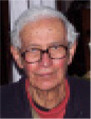
Homi Eduljee: "communal harmony was not disturbed”
Bella grew up a very jolly, extrovert person, popular with the Parsis and with her Burmese foster-cousins. Some time in the early 1920s a Dhunjisha Kolapore got a job in Rangoon and he came from India to take up his post. He and Bella met and they decided to get married. They wanted a Parsi wedding ceremony, but it was then realized that Bella’s navjote had not been done. Burjojee asked the mobed of the Rangoon agiary if he would perform the navjote and marriage rites. Mobed Unvala refused on the ground that Bella’s father was not a Parsi. Burjojee then looked for a priest in India who would perform both the ceremonies, and found that the High Priest of the Deccan, Dastur Noshirwan (or his father High Priest Kaikobad) agreed to do so. They both came to Rangoon and the navjote was done one morning and the wedding in the evening. After the wedding Dhunjisha and Bella went to the agiary but the mobed would not let Bella enter as he did not recognize the navjote. Burjojee appealed to the trustees of the anjuman to overrule the mobed and order him to admit Bella. The trustees, however, took the mobed’s side and confirmed his action, whereupon Burjojee took the matter to the High Court. He lost his case there. Burma at that time was a province of India and Burjojee went on to appeal to the High Court in Delhi. Here he won his case and the trustees then went on final appeal to the Privy Council in London. The Privy Council ruled in the trustees’ favor and that ended the matter.
Although the community was divided into two camps, the communal harmony was not at all disturbed, probably as the matter spread over so many years as the case went from one court to the other. The case, whatever the outcome, did not affect Kolapore in the least; a happy-go-lucky sort of man, he was very popular with the community. Bella, on the other hand, took it very hard and cut herself off completely from the community and hardly left her home. Some years later she fell ill and died; she was probably in her mid-thirties.
◆ ◆ ◆
From the archive