
Religion
Muktad measures
Fire temples have been advised to conduct muktad prayers keeping the safety of the priests and laity in mind
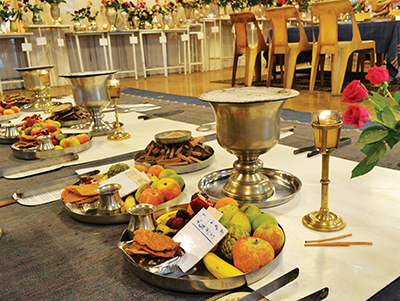
The Kadmi muktad commenced on July 7, 2020 at Dadysett Agiary with "the usual recommended precautions.” The panthaky, Ervad Jehangir Mobedji, told Parsiana the previous evening that time slots for prayers have been assigned from 6 a.m. to 11.30 a.m. During the five Gatha days the timings would be increased by one hour. Behdins have been requested to limit their visits. The fire temple is closed in the afternoons and evenings. Mobedji said that only on the first Gatha (July 12) would the laity be allowed in the evenings, to accommodate the large number of ceremonies on that date. There are approximately 35 muktad tables in his fire temple, stated the priest who has been practicing for 58 years. Mobedji told Parsiana that besides his fire temple, the Banaji and Dadysett Atash Behrams, Saher and Mehella Patel Agiaries and the Patel Agiary in Mazgaon will be holding Kadmi muktads.
To decide on a possible uniform approach to holding the Shahenshahi muktad starting on August 6, a meeting of over 32 priests reportedly took place on July 5 at Dadar’s Rustom Framna Agiary. "Behdin aavé ké nahi aavé (whether the family members of the departed are present or not),” the prayers will be held as per the schedule decided by each individual panthaky, stated a priest who participated in the meeting. The mobeds present agreed they will recommend that behdins not bring flowers; the fire temples will provide them. Offerings of sandalwood will need to be made in a common afarganiyu. Charges to be levied have been left to each fire temple. The rates vary from Rs 20,000 to Rs 40,000 for a separate table per family and start at around Rs 1,200 for the "anjuman” (group) table depending on the number and nature of prayers. Chasni (consecrated food) will be given to those behdins attending the prayers, but each agiary will determine whether the full chasni will be prayed on, or only a pomegranate and banana. Much will depend on the situation prevailing in the first week of August, the priest told Parsiana. These are recommended practices, subject to approval by the high priests.
 "Muktad karva toh joiyéch (the ceremonies must be performed),” Ervad (Dr) Parvez Bajan emphasized to Parsiana on July 5. He was however apprehensive about the availability of priests and South Gujarat based assistants at his Byculla-based Mewawala Agiary. Ervad (Dr) Ramiyar Karanjia, principal of the Dadar Athornan Institute stated that panthakies of fire temples must make their own decisions to protect their behdins and priests from the pandemic.
"Our religion and its practices must be adhered to as best as possible keeping in mind the limitations imposed by the pandemic situation,” noted Dastur (Dr) Firoze Kotwal, High Priest of Bombay’s Wadia Atash Behram in response to Parsiana’s questions. "On no account can the muktad rituals be postponed, significantly altered... The muktads are integral to the practice of the faith and form part of our religious calendar which has to be followed diligently and without a break,” emphasized the High Priest.
"We must work within the constraints” of the Covid-19 safety regulations, Kotwal said. He suggested the priests must wear the padan at all times and not lift it as it is normally done after a ceremony is over. "The priests must strive to keep the mask on throughout their stay in the fire temple,” he stressed. "The padan which is always made as a double-layered cloth (piece), will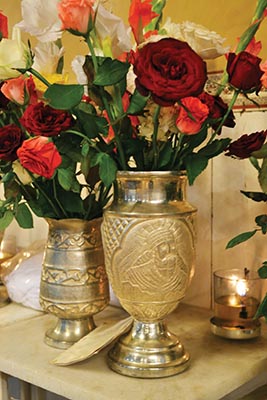 serve as a mask for the priests in the agiary.” Panthakies should request only one or two family members to attend the ceremonies. "Prayers may be conducted in different corners of the agiary at the allotted time given to the clients,” he advised.
In case of a shortage of priests, "ceremonies may, out of helplessness be clubbed together,” he commented. "One common afringan and one farrokshi and satum may be recited for five to six families together, where the mobed will only take the names of those deceased from each family whose vases with their names are on the family muktad table.” Some fire temples have already in the past "put restrictions on the number of names to be recited,” by telling family members that only the names of the last six deceased members in each family, for example, will be taken, Kotwal stated. This should be done as per the convenience of the panthaky and priests "because they are putting their lives at risk by obliging the behdins in the present times.”
Given the shortage of flowers during the lockdown, he suggested that "even one flower per vase will suffice. If there are no flowers available or very few flowers, then the vases must be filled with well water and not left empty and whatever flowers one can get, can be put in the vases of the founders of the agiary.” The divo at every muktad table is a must, the scholar stated. "It would be advisable for those who are old and in the high-risk category to recite the prayers at home,” he recommended, urging "anybody who is sick, has a fever or is even slightly unwell, not to go to the agiary as there is a possibility of infecting others.”
Udvada High Priest Dastur Khurshed Dastoor called for a "detailed blueprint” from "every agiary’s management, panthaky and behdins” on how to proceed with the muktad. "Every agiary may have to address a set of issues unique to them… I find it inappropriate to make a change in the prescribed format of prayers that have been traditionally followed... It is our religious obligation to perform the muktad,” he added.
"A combination of trust and understanding on the part of the behdins, and sincerity and honesty on the part of the mobeds are key components that will see us through these (difficult) times,” Dastoor concluded.
Emails were sent to Dasturs (Dr) Jamasp JamaspAsa and Keki Ravji Meherjirana seeking their views on the subject and their response, if any, is awaited.
To decide on a possible uniform approach to holding the Shahenshahi muktad starting on August 6, a meeting of over 32 priests reportedly took place on July 5 at Dadar’s Rustom Framna Agiary. "Behdin aavé ké nahi aavé (whether the family members of the departed are present or not),” the prayers will be held as per the schedule decided by each individual panthaky, stated a priest who participated in the meeting. The mobeds present agreed they will recommend that behdins not bring flowers; the fire temples will provide them. Offerings of sandalwood will need to be made in a common afarganiyu. Charges to be levied have been left to each fire temple. The rates vary from Rs 20,000 to Rs 40,000 for a separate table per family and start at around Rs 1,200 for the "anjuman” (group) table depending on the number and nature of prayers. Chasni (consecrated food) will be given to those behdins attending the prayers, but each agiary will determine whether the full chasni will be prayed on, or only a pomegranate and banana. Much will depend on the situation prevailing in the first week of August, the priest told Parsiana. These are recommended practices, subject to approval by the high priests.
"Muktad karva toh joiyéch (the ceremonies must be performed),” Ervad (Dr) Parvez Bajan emphasized to Parsiana on July 5. He was however apprehensive about the availability of priests and South Gujarat based assistants at his Byculla-based Mewawala Agiary. Ervad (Dr) Ramiyar Karanjia, principal of the Dadar Athornan Institute stated that panthakies of fire temples must make their own decisions to protect their behdins and priests from the pandemic."Our religion and its practices must be adhered to as best as possible keeping in mind the limitations imposed by the pandemic situation,” noted Dastur (Dr) Firoze Kotwal, High Priest of Bombay’s Wadia Atash Behram in response to Parsiana’s questions. "On no account can the muktad rituals be postponed, significantly altered... The muktads are integral to the practice of the faith and form part of our religious calendar which has to be followed diligently and without a break,” emphasized the High Priest.
"We must work within the constraints” of the Covid-19 safety regulations, Kotwal said. He suggested the priests must wear the padan at all times and not lift it as it is normally done after a ceremony is over. "The priests must strive to keep the mask on throughout their stay in the fire temple,” he stressed. "The padan which is always made as a double-layered cloth (piece), will
serve as a mask for the priests in the agiary.” Panthakies should request only one or two family members to attend the ceremonies. "Prayers may be conducted in different corners of the agiary at the allotted time given to the clients,” he advised. In case of a shortage of priests, "ceremonies may, out of helplessness be clubbed together,” he commented. "One common afringan and one farrokshi and satum may be recited for five to six families together, where the mobed will only take the names of those deceased from each family whose vases with their names are on the family muktad table.” Some fire temples have already in the past "put restrictions on the number of names to be recited,” by telling family members that only the names of the last six deceased members in each family, for example, will be taken, Kotwal stated. This should be done as per the convenience of the panthaky and priests "because they are putting their lives at risk by obliging the behdins in the present times.”
Given the shortage of flowers during the lockdown, he suggested that "even one flower per vase will suffice. If there are no flowers available or very few flowers, then the vases must be filled with well water and not left empty and whatever flowers one can get, can be put in the vases of the founders of the agiary.” The divo at every muktad table is a must, the scholar stated. "It would be advisable for those who are old and in the high-risk category to recite the prayers at home,” he recommended, urging "anybody who is sick, has a fever or is even slightly unwell, not to go to the agiary as there is a possibility of infecting others.”
Udvada High Priest Dastur Khurshed Dastoor called for a "detailed blueprint” from "every agiary’s management, panthaky and behdins” on how to proceed with the muktad. "Every agiary may have to address a set of issues unique to them… I find it inappropriate to make a change in the prescribed format of prayers that have been traditionally followed... It is our religious obligation to perform the muktad,” he added.
"A combination of trust and understanding on the part of the behdins, and sincerity and honesty on the part of the mobeds are key components that will see us through these (difficult) times,” Dastoor concluded.
Emails were sent to Dasturs (Dr) Jamasp JamaspAsa and Keki Ravji Meherjirana seeking their views on the subject and their response, if any, is awaited.
◆ ◆ ◆
From the archive