
Cover Story
Mhow: a mine of material
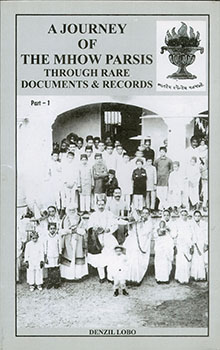
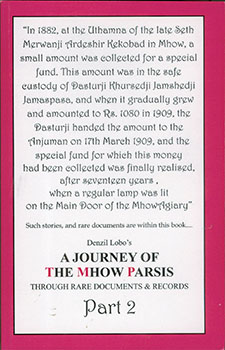
A Journey of The Mhow Parsis Through Rare Documents and Records, Part 1 and Part 2 by Denzil Lobo. Published in 2015 by Satprachar Press, Indore. Pp: Part 1-62; Part 2-80. Price: Rs 200 each.
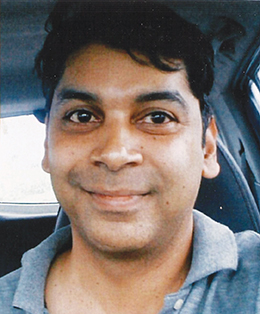
Denzil Lobo
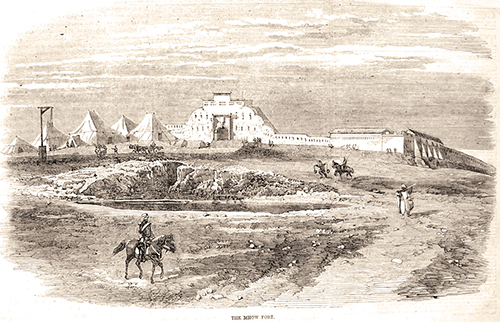
Mhow Fort, circa 1858
The journey of the Parsis from Iran to the shores of Gujarat is a fascinating one. Early Parsi settlements dot the western coast of Gujarat. The migration of Parsis to interior areas is a much later phenomenon. They began to move inland in small numbers particularly after British rule began. The establishing of military cantonments and advent of railways offered economic opportunities which were seized by the Parsis and led to the formation of new settlements. Mhow is one such Parsi settlement dating back to 1818 with the establishment of the Mhow Cantonment in the Holkar State by the British East India Company. Denzil Lobo’s in-depth history of the Mhow Parsis in his two-part book is a valuable addition to the lean corpus of material available on stray Parsi settlements scattered in various parts of India.
In his books Lobo has chronicled year wise whatever information he has uncovered about the history of the Mhow Parsis from 1818 till 1953. He does not provide a narrative historical reconstruction. His personal notes and observations are given as annotations in brackets throughout the books. The books include death records from 1914-1969 and historic notes pertaining to the Mhow fire temple, the Tower of Silence, the Parsi school, Khan Bahadur Khory’s Girls’ School and other Parsi institutions in Mhow. The author has done painstaking research with references from Shri Mhow Jarthoshti Dharmkhataona Fundno Tunk Heval (1933), trust deeds and books like A Town Called Mhow and The First Hundred Years of a Cantonment. Ever since he was a child, Lobo had interacted with his mother’s Parsi friends and many families have shared their memories with him, enhancing the book.
Parsi families such as the Dotivalas, Masalawalas, Appoos and Gorwalas have been denizens of Mhow ever since the Mhow military Cantonment was established. They were engaged in shopkeeping, trade, banking, commissariat work, i.e. supplying material to the military camp. It is interesting to note that as early as 1839, Pestonjee Dotivala ran a banking firm at Mhow. After the arrival of a few Parsis, a dadgah was constructed. By 1846, with contributions from members of the Parsi Anjuman, the fire was housed in a new building in Old Panchayat wadi. The initiative for this was taken by Dastur Hormasji Jamaspji Jamaspasa. Initially dead Parsis were interred in graves on a hill outside the Cantonment. Later, due to the efforts of a travelling priest from Iran, Dastur Bahman, this area was secured from the Holkar State Durbar and a Tower of Silence established there. Targeted during the mutiny or revolt of 1857, the Parsis fled to the Mhow Fort. Seventeen days before the mutiny started, 50 Parsi shopkeepers along with their families, fearing an attack, left Mhow for Bombay. A Parsi tradesman was blown up at the Indore Residency during the revolt due to his connections with the Europeans. When Capt Hungerford, who had commanded Mhow during the revolt left Mhow, some residents wrote a letter thanking him for protecting their lives and property. Foremost among the signatories were Mhow’s Parsi merchants. By 1866, there were 230 Parsis in Mhow.
In his books Lobo has chronicled year wise whatever information he has uncovered about the history of the Mhow Parsis from 1818 till 1953. He does not provide a narrative historical reconstruction. His personal notes and observations are given as annotations in brackets throughout the books. The books include death records from 1914-1969 and historic notes pertaining to the Mhow fire temple, the Tower of Silence, the Parsi school, Khan Bahadur Khory’s Girls’ School and other Parsi institutions in Mhow. The author has done painstaking research with references from Shri Mhow Jarthoshti Dharmkhataona Fundno Tunk Heval (1933), trust deeds and books like A Town Called Mhow and The First Hundred Years of a Cantonment. Ever since he was a child, Lobo had interacted with his mother’s Parsi friends and many families have shared their memories with him, enhancing the book.
Parsi families such as the Dotivalas, Masalawalas, Appoos and Gorwalas have been denizens of Mhow ever since the Mhow military Cantonment was established. They were engaged in shopkeeping, trade, banking, commissariat work, i.e. supplying material to the military camp. It is interesting to note that as early as 1839, Pestonjee Dotivala ran a banking firm at Mhow. After the arrival of a few Parsis, a dadgah was constructed. By 1846, with contributions from members of the Parsi Anjuman, the fire was housed in a new building in Old Panchayat wadi. The initiative for this was taken by Dastur Hormasji Jamaspji Jamaspasa. Initially dead Parsis were interred in graves on a hill outside the Cantonment. Later, due to the efforts of a travelling priest from Iran, Dastur Bahman, this area was secured from the Holkar State Durbar and a Tower of Silence established there. Targeted during the mutiny or revolt of 1857, the Parsis fled to the Mhow Fort. Seventeen days before the mutiny started, 50 Parsi shopkeepers along with their families, fearing an attack, left Mhow for Bombay. A Parsi tradesman was blown up at the Indore Residency during the revolt due to his connections with the Europeans. When Capt Hungerford, who had commanded Mhow during the revolt left Mhow, some residents wrote a letter thanking him for protecting their lives and property. Foremost among the signatories were Mhow’s Parsi merchants. By 1866, there were 230 Parsis in Mhow.
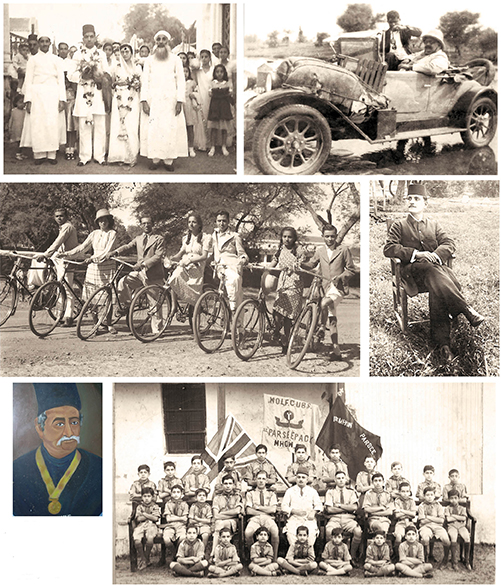
L to R (top row): at Dotiwalla Hall, 1944; Sarosh Khajotia on a trip with Sorabji Javrewala;
(2nd row): on a cycle ride in the 1940s, Rustomji Jall; (3rd row): Khan
Bahadur Eduljee Birdi, 1st Mhow Parsee Boy Scout Group, 1935
The Commissariat Department provided enormous economic prospects to Parsi merchants who supplied provisions to the men and the horses in the Cantonment. Liquor, soda water and mutton were usually supplied by the Parsi merchants. The author mentions an interesting case of Ardasir Framji, a Parsi wine merchant of Mhow who was a key witness in the court martial of Sgt Major Lilley. Another prominent personality associated with the Commissariat Department was Edulji Pestonjee Ghaswala. Originally from Poona, he was transferred as storekeeper to the Commissariat Department at Mhow sometime after 1858. Due to his excellent services, in 1866 he was appointed head clerk in the Commissariat and later honored with the title of Khan Bahadur. Upon his retirement in 1877, his son Cursetji Edulji was given the post of his father as head clerk. The Parsis of Mhow appreciated Ghaswala’s magnanimous gestures towards the Mhow Zoroastrian School, Native Girls School, Mhow agiary, Indore agiary and Relief Fund for Iranian Zoroastrians. He helped to maintain and supervise the Mhow Native Girls School and also constructed a dakhma in the Tower of Silence complex. He induced his brother Dorabjee Pestonjee of Poona to donate towards the establishment of a dispensary which was much needed by the population. The Parsis of Mhow felicitated Ghaswala in 1870 and resolved to put life size portraits of him in all community institutions as a mark of their appreciation. The British Government too asked the Commisssary General to honor him with a palanquin. Later, Cursetji established the Anglo-Vernacular School in Mhow in memory of his father.
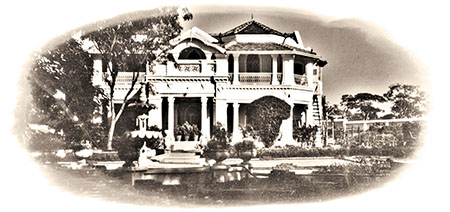
Cowasji Bungalow
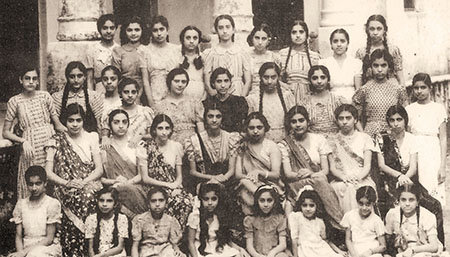
A group of Parsi girls and ladies in the early 1940s
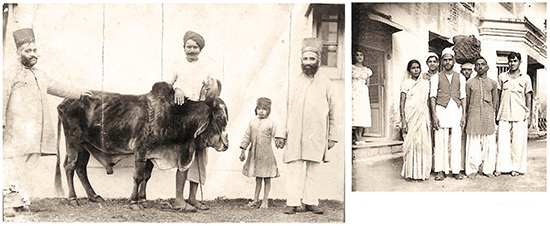
Left: Rustomji Jall’s father; above: the Ice Factory
By 1876, Mhow was connected to the railways. Parsis found employment with the railways as engine drivers, guards, etc. A Parsi named Merwanji Cooper entered the flourishing business of running refreshment rooms. There is an interesting letter in the book written by the high priest of Mhow to the secretary, Cantonment Committee, Mhow in 1902 which has a four-page list giving the names of 101 Parsi heads of families in Mhow. This unique list includes their surnames and also their professions. It indicates that Parsis were merchants, shopkeepers, clerks, contractors, lawyers, teachers, doctors, engineers, photographers, sanitary inspectors, octroi inspectors, or were employed as overseers or hay agents (ghaswallas), storekeepers, etc with the Commissariat; and as engine drivers, guards, refreshment room keepers in the railways. Many such rare documents secured by the author can be of great help to Parsis connected with Mhow in tracing their ancestors and understanding their socioeconomic profile.
In the 20th century Parsis ran distilleries and manufactured aerated waters in Mhow. B. K. Illava, of the Illava distilleries, who was the supply contractor of the State was given the title of Khan Saheb and the Holkar State too conferred on him the title of Rai Ratan. Many Parsi families had adopted an English lifestyle as indicated by some memoirs in the book. Their houses had verandahs and gardens and contained English furniture, paintings and grand pianos. They had servants and Victoria carriages with horses to take them around. One Shiavax Dinshaw even had an air pilot’s licence. Some Parsis of Mhow served in the army during World War II. Dara Khurody was put in charge of planning and purchase of milk products for the defence services during the war and by 1944 rose to be the deputy director of the supply department of the Government of India. After the war, he was employed with the Bombay Government as Deputy Milk Commissioner and was responsible for establishing the Aarey Milk Scheme as also developing the village producers cooperative at Anand. He was a recipient of the Ramon Magsaysay Award.
Mhow also had a food specialist named Nanabhoy Edulji Masalawala who ran the Savoy Bar and Restaurant and earned great fame for his koprapak. Such interesting details can be gleaned from Lobo’s fascinating work. The author has made a list of all the Parsi families and the tentative time period during which they settled in Mhow. He has also tried to include information about residences of Parsi families and locate old shops and houses belonging to them. He further attempts to draw connections and build family trees of the old Parsi families of Mhow based on the treasure trove of information he has unearthed. Some rare photographs of Parsis procured from books and personal collections have been reproduced.
The author’s passion and bond with the Parsis of Mhow is reflected in his excitement at finding the relatives of Dr Erach Dadabhoy, famous in Mhow as Dr Day and Night; or when he narrates the adventures of Sarosh Jehangir Khajotia, a brave Parsi of Mhow who lost his right arm in an accident but went on to drive his car not once but several times between England and India. Both the volumes have detailed indexes. The only problem is that these books could have been more systematically organized. The death records are scattered, with the first book having information arranged chronologically from 1818 to 1944; the second book has tried to provide some more information on the Mhow Parsis dealing with almost the same period, but arranged chronologically in reverse order from the 1940s to the 1840s which is somewhat confusing. Although there is no continuous narrative, the books are an interesting read.
◆ ◆ ◆
From the archive