
Books
Subtle, evocative stories
A Lovesong for India by Ruth Prawer Jhabvala. First published in 2011 as a paperback original by Little, Brown, An imprint of Little, Brown Book Group, 100 Victoria Embankment, London EC4Y ODY. Pp: 276. Price: Rs 495.
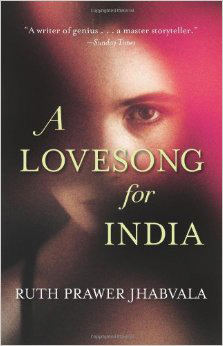 Ruth Prawer Jhabvala’s A Lovesong for India was published when she was 84, two years before she died. Not all the stories are set in India as the title suggests. They have been divided into three sections: India, Mostly Arts and Entertainment, and The Last Decade.
The stories are extremely subtle, evocative and concise. Jhabvala does not waste any time on superfluous information. The beginnings of her stories arouse the reader’s interest and make one keen to read further: "If it hadn’t been for her grace and beauty, Munni might have become like any other unhappy Indian woman whose arranged marriage had turned out badly” (in the short story "Bombay”). The sentence hinges on the words "might have become” and the curiosity of the reader is ignited to know why Munni’s life was not an unhappy one. Similarly, "The Teacher” begins with "It was the girls who first brought him here.” We are given no indication of who the "him” might be. The second sentence mentions that the "girls” were not really girls, but were "middle-aged” which arouses the reader’s curiosity even further.
Jhabvala seems to be interested in the theme of manipulation and subjugation that is a recurring motif in this collection. In "Talent,” Ellie not only possesses the talent of an exceptionally gifted voice, but is a manipulative and devious girl who will go to any extent to get what she wants. She takes advantage of Magda, the talent agent, who is besotted with her and even presents her with a gold chain with a golden locket in the shape of a heart. However, she has no qualms about using her talents to do whatever she thinks necessary to secure her position with Robert, Magda’s cousin, and a successful composer of musical comedies.
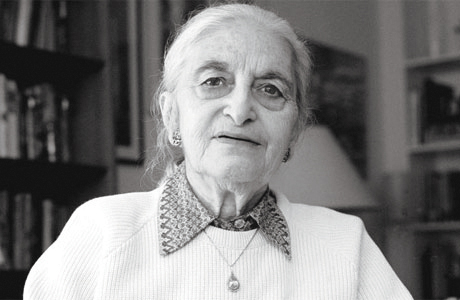
Ruth Prawer Jhabvala: perceptive portrayals
In "Bombay,” Munni connives to marry Davy with the sole purpose of becoming the daughter-in-law of Abhinav, "a legendary film star.” She gradually takes charge of her father-in-law’s household and even the keys to his safe, eventually displacing the wife and, it is suggested, becoming Abhinav’s mistress.
In the "School of Oriental Studies,” Anuradha, a poet, mercilessly controls the life of her son, a professor of economics, by objecting to his girlfriends. She ill-treats her servants and dominates the life of Professor Maria von R., a prominent scholar of Sanskrit, who is attempting to translate her work. She blows hot and cold with Maria, occasionally demeaning her: "How do you think you can translate even one part of me, let alone the rest.” She then behaves in an intimate manner asking Maria if she had a husband or lovers.
Not always is the manipulation strident and obvious. In "The Teacher,” Dr Chako is a mystical Indian holy man who has written an incomprehensible book and who is in search of a publisher. In a quiet and self-effacing manner, he ingratiates himself into the lives of two timid American sisters and his landlady. He gently and in an unobtrusive manner manages to find his way into his landlady’s house and she even agrees to underwrite the publication of his manuscript. Similarly, in "Critic” an actress in a gentle and understated manner takes revenge on a critic who has made a scathing attack on her work in one of his film reviews.
In some of the stories, Jhabvala uses the point of view of the outsider. Whereas in "Pagans” and in "The Teacher” it is the Indian who is the outsider, in several other cases it is the foreigner who confronts Indian culture whether it is the narrator or the tenant, Kay in "Innocence” or Maria, the translator in the "School of Oriental Studies.” In the title story, it is not only the British wife who is an "outsider” but also Trilok Chand, her Indian Oxford-educated husband. Both husband and wife who have been brought up on the inalienable concepts of honesty and integrity find the current corruption and underhand dealing in contemporary India totally incomprehensible and extremely disheartening.
Jhabvala is extremely perceptive as well as gentle in her portrayal of human nature. In "Pagans,” a homosexual relationship is hinted at where a powerful studio head is attracted to a young Indian: "…from time to time the older man’s eyes stabbed towards the younger, maybe just an instinctive gesture of checking on the security of possession.” In "At the End of the Century,” Gavin, probably a homosexual poet, spends most of his nights away from his unsuspecting wife. At the end of the story, we presume he is dying from AIDS, as Gavin’s wife is pushing him in a wheelchair. Jhabvala puts in a wry comment: "Poets traditionally die young — in the past often from consumption, but Gavin was an early victim of a new disease.”
During her career as a writer which spanned more than 50 years, Jhabvala wrote around a dozen novels, several volumes of short stories and more than 20 film scripts. She holds the remarkable distinction of being the only person to win both a Booker Prize and an Oscar. She was born in Germany, lived in England, India (when, in 1951, she married Cyrus Jhabvala, an architect) and the USA; hence, the theme of displacement is very noticeable in her work. Her skill as a short story writer is evident from this collection; a marvelous example of Jhabvala’s remarkable art of understatement made all the more interesting in what is gently hinted at but left unsaid.
In the "School of Oriental Studies,” Anuradha, a poet, mercilessly controls the life of her son, a professor of economics, by objecting to his girlfriends. She ill-treats her servants and dominates the life of Professor Maria von R., a prominent scholar of Sanskrit, who is attempting to translate her work. She blows hot and cold with Maria, occasionally demeaning her: "How do you think you can translate even one part of me, let alone the rest.” She then behaves in an intimate manner asking Maria if she had a husband or lovers.
Not always is the manipulation strident and obvious. In "The Teacher,” Dr Chako is a mystical Indian holy man who has written an incomprehensible book and who is in search of a publisher. In a quiet and self-effacing manner, he ingratiates himself into the lives of two timid American sisters and his landlady. He gently and in an unobtrusive manner manages to find his way into his landlady’s house and she even agrees to underwrite the publication of his manuscript. Similarly, in "Critic” an actress in a gentle and understated manner takes revenge on a critic who has made a scathing attack on her work in one of his film reviews.
In some of the stories, Jhabvala uses the point of view of the outsider. Whereas in "Pagans” and in "The Teacher” it is the Indian who is the outsider, in several other cases it is the foreigner who confronts Indian culture whether it is the narrator or the tenant, Kay in "Innocence” or Maria, the translator in the "School of Oriental Studies.” In the title story, it is not only the British wife who is an "outsider” but also Trilok Chand, her Indian Oxford-educated husband. Both husband and wife who have been brought up on the inalienable concepts of honesty and integrity find the current corruption and underhand dealing in contemporary India totally incomprehensible and extremely disheartening.
Jhabvala is extremely perceptive as well as gentle in her portrayal of human nature. In "Pagans,” a homosexual relationship is hinted at where a powerful studio head is attracted to a young Indian: "…from time to time the older man’s eyes stabbed towards the younger, maybe just an instinctive gesture of checking on the security of possession.” In "At the End of the Century,” Gavin, probably a homosexual poet, spends most of his nights away from his unsuspecting wife. At the end of the story, we presume he is dying from AIDS, as Gavin’s wife is pushing him in a wheelchair. Jhabvala puts in a wry comment: "Poets traditionally die young — in the past often from consumption, but Gavin was an early victim of a new disease.”
During her career as a writer which spanned more than 50 years, Jhabvala wrote around a dozen novels, several volumes of short stories and more than 20 film scripts. She holds the remarkable distinction of being the only person to win both a Booker Prize and an Oscar. She was born in Germany, lived in England, India (when, in 1951, she married Cyrus Jhabvala, an architect) and the USA; hence, the theme of displacement is very noticeable in her work. Her skill as a short story writer is evident from this collection; a marvelous example of Jhabvala’s remarkable art of understatement made all the more interesting in what is gently hinted at but left unsaid.
◆ ◆ ◆
From the archive