
“Avatar of the age”
Vice President and Jt Hon Secy
Avatar Meher Baba Bombay Centre
avatarmeherbababombaycentre@gmail.com
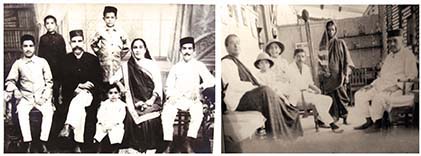
For a magazine with an enlightened viewpoint that has always projected our religion as being a complete religion it is nothing short of disgusting that you should carry a cover photo and story concerning a baba ("Avatar of the age,” Parsiana, March 7, 2015), especially for an issue which is meant to cover Jamshedi Navroz, a festival of the highest importance for all Zoroastrians.
Even the argument that Meher Baba was an Irani or had espoused peace and universal brotherhood and hence is eligible to being rightfully glorified on the cover holds no water. By trying to teach offshoot religious ideas, instead of using whatever charisma and strength he had to inculcate our religion, its power and purity into the minds of those who seek solace from wandering into temples and ringing bells or churches and singing hosannas or sitting at the feet of self-styled, avaricious godmen, he has lost the right to be considered a Zoroastrian.
Dr NUSLI P. J. POCHA
thepochas@hotmail.com
The editors reply:
Parsiana endeavors to write about Parsis and Iranis who have achieved some mark in life. Merwan Irani (Meher Baba) certainly did make a mark and continues to do so.
If Parsis and others benefit from following Meher Baba, they are entitled to do so. If Zoroastrianism does not arouse the same fervor, perhaps we should take a re-look at our discriminatory practices instead of condemning those who look elsewhere for solace.
While all other religions are welcoming, Zoroastrianism as presently practiced in India attempts to drive away people on the basis of their sex and race.
The children of Parsi mothers who marry non-Parsis are not considered Parsis though this does not hold when a Parsi male marries a non-Parsi.
The admission to fire temples being restricted to (Parsi Zoroastrians only), the 38% or so of the Parsis who marry outside the fold can never pray together with their family in a Zoroastrian house of worship. If someone opts for an alternate means of disposal of the death their four-day funerary prayers cannot be performed at the Doongerwadi bunglis or the fire temples. The priests who perform their ceremonies are victimized and labeled "renegade.” Priests refuse to perform even the blessing (ashirwad) ceremonies for those who marry non-Parsis; the Parsi baugs do not permit interfaith ashirwad ceremonies to be performed on their premises.
That Parsis look elsewhere for spiritual solace is not so surprising as the fact that so many continue to remain in the fold.
If the same discriminatory practices were to be followed in the USA or Canada, the trustees would be in violation of the law. If they persisted, they would be put behind bars.
Referring to the racial discrimination practiced by Parsis, Bombay High Court Justice Frank Beaman noted in his judgment in the Parsi Punchayet case (1908): "Of the modern Parsi they say emphatically nasautur non-fit. This is not religion, it has nothing to do with religion: it is essentially distinctly irreligious; but it is pure unadulterated oriental caste.”