
Events & Personalities
Lethal for vultures
In the decade between 2003 and 2013 the vulture population in India has fallen by 98%, mentions a report in Mid Day (MD) of February 7, 2014. The drug diclofenac was banned in 2006 when it was found that vultures were dying after eating cattle carcasses that had been treated with the drug. Now, Pradeep Sharma, an independent researcher has found that another drug in veterinary use, aceclofenac also has a negative effect on the scavenger birds. A pain killer and non-steroidal anti-inflammatory, aceclofenac is widely used to treat osteoarthritis, anklylosing spondylitis and rheumatoid arthritis in humans as well, according to Wikipedia.
The Secretary of the Animal Husbandry Department sent off a letter to veterinarians across Maharashtra asking them not to use aceclofenac in treating cattle as it metabolizes into diclofenac, which is fatal to vultures. "All veterinary colleges should read research papers and (this) letter carefully and should respond to the Animal Husbandry Department with their views on using the drug,” the letter advises.
The Secretary of the Animal Husbandry Department sent off a letter to veterinarians across Maharashtra asking them not to use aceclofenac in treating cattle as it metabolizes into diclofenac, which is fatal to vultures. "All veterinary colleges should read research papers and (this) letter carefully and should respond to the Animal Husbandry Department with their views on using the drug,” the letter advises.
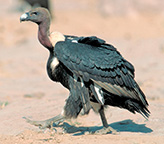
Vultures: vulnerable to many drugs
Agreeing with this, Dr Vibhu Prakash from the Vulture Conservation Program of the Bombay Natural History Society told MD, "The research shows that the use of aceclofenac can have a negative impact on the already declining vulture population. So, the Animal Husbandry Department should completely stop the use of this medicine on cattle.” In response to MD’s query on how many vultures still exist in Bombay, Prakash said it was difficult to provide the exact number but "there are very few vultures in and around Bombay.”
If the ambitious aviary project for Doongerwadi is ever to take wings Parsi corpses would have to be tested for the presence of both diclofenac and aceclofenac. Doctors would have to shoulder a very heavy responsibility of ensuring that such drugs are not prescribed to patients to prevent vulture mortality. An article in Jam-e-Jamshed Weekly of February 9, 2014 revealed that 19 prominent Parsi doctors have written to the Bombay Parsi Punchayet (BPP) trustees stating that they will not participate in this project as they would be unable to ensure that such drugs are not prescribed to Parsi patients.
Dr Jehanbux A. Chichgar’s letter, which was reproduced along with the article, stated: "As there are 1,051 combinations of diclofenac, it would be extremely difficult to ascertain whether drugs prescribed to critically ill patients in an emergency contain diclofenac or not,” which is why doctors do not wish to be associated with the project.
◆ ◆ ◆
From the archive