
Readers' Forum
Homi Daji, RIP
On May 14, 2009 the streets of Indore in Madhya Pradesh were lined with teeming crowds waiting to catch a glimpse of their beloved leader Homi Daji and pay their last respects. Cries of "Homi Daji amar rahé (May Homi Daji remain immortal)” rent the air as his body was moved in a flower bedecked open carriage through the city. Daji’s wife Perin and family members, including nephews Farokh and Firoze, headed the procession.
As the cortege halted at important landmarks notable personalities from diverse political groups waxed eloquent on Daji’s contribution to the cause of the downtrodden and his fight for justice. The courts closed early as Daji had been a leading personality of the Bar Association. The President of India sent a condolence letter to Perin praising Daji’s contribution to the nation. Parliament passed a resolution remembering his past contribution.
Twice elected MLA (Member of the Legislative Assembly) and thereafter as MP (Member of Parliament) in 1962, Daji was a veteran communist trade union leader whose towering but righteous influence was much respected. Masterful in oratory, he was a distinguished parliamentarian. Then Prime Minister Pandit Jawaharlal Nehru was particularly appreciative of Daji’s talent, though he was in the opposition. He once remarked to Perin, "Inki lagaam khich ké rakhiyé. Hamé Parliament mé yeh bahut tang karta hai (Hold him on a tight rein. He troubles us greatly in Parliament).” Perin promptly responded, "Tab to aap log be-lagaam ho jayengé (In that case you people will have no one to rein you in).” To Nehru’s credit, he took the rejoinder sportingly.
Right up to the end successive chief ministers of Madhya Pradesh, whether from the Congress or from the Bharatiya Janata Party, would visit Daji at his bedside in his humble MIG (middle income group) flat, whenever his failing health became cause of concern to the public.
Daji was such a brilliant student… What drove him to communism and made him a relentless fighter for the cause of the downtrodden? Why did he give up the offer of appointment to the judiciary which would have led to in his becoming a judge of the High Court?
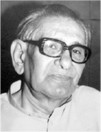
Homi Daji: service to the poor
The answers lie in the traumatic experiences of his boyhood. His father Framroze faced a sudden downturn in business during the Depression in the mid 1930s. The family, which had lived a very comfortable lifestyle, was suddenly cast into abject poverty. Daji was often sent back from school for non-payment of fees. The young boy grew up battling the rigors of poverty. He saw the injustices being meted out because of the rank opportunism of capitalism in those days.
Being exceptionally intelligent and talented, Daji managed to be a topper in his university examinations and become a distinguished advocate. But the scars of his growing years convinced him that communism would be his guiding star and service to the poor his mission.
What is it that made Daji such a charismatic and lovable personality? He was a labor leader like no other. His sterling qualities of uprightness, fairness and fearlessness had earned him a formidable reputation from both unions as well as managements in the industrial belt of Madhya Pradesh. He was president of the employees’ union of Bharat Heavy Electricals, Bhopal. His wife was equally devoted to the cause, and continues to give leadership in issues affecting the poor.
It is an inexplicable irony of fate that such a noble family should suffer so much personal tragedy. Daji’s younger brother Keki died suddenly while on tour, due to an illness, leaving behind his wife and two young sons. The Dajis brought up the boys as part of their own family. Their son Rusi, a talented youth and a budding lawyer died in the prime of his life after a brief illness. Their daughter, Roshni, a doctor who returned from Russia after doing her masters degree in medicine, set up practice in the poor bustees (shanty towns) of Indore where she charged a mere five rupees to her poor patients. She tried to fill the void left by Rusi’s death. However, Roshni herself fell prey to cancer and passed away prematurely.
The Dajis sustained such severe blows in their personal life while rendering selfless service to others. They personified the Zoroastrian dictum: "Happiness is to him who brings happiness to others.” Only, in their case, it sounds like a cruel irony. But from the reaction of the people at the time of Daji’s death it is clear that their sacrifices have not been in vain.
Readers may wonder how I know so much about Homi Daji. He is my first cousin, the son of my maasi (mother’s sister). His life story would fill a volume and make inspiring reading.
ADI ENGINEER
Poona
adiengineer@hotmail.com
◆ ◆ ◆
From the archive