
Professions
The banker’s benchmark
The business norms laid down by Sir Sorabji Pochkhanawala raised the bar for the Indian banking sector
"India’s greatest banker passes away,” read the prominent headline on the front page of The Bombay Chronicle of July 5, 1937, when Sir Sorabji Pochkhanawala breathed his last at the age of 55. His brainchild, the Central Bank of India, had then completed its silver jubilee and was earning the admiration and ire of the British overlords while gaining in popularity among the native Indians.
Seventy years have elapsed since this braveheart banker left the physical realms but the apostle continues to be venerated among the banking fraternity even today for, at the age of 30, he dared to establish an all Indian bank run by Indians for Indians. And this at a time when the highest rank an Indian could hope to occupy in the Bank of Bombay was that of a head clerk, drawing a salary of Rs 125 per month as compared to the Rs 2,000 paid to a European secretary and treasurer.
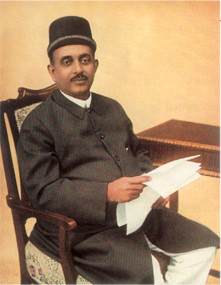
Hard work and tenacity were the hallmark of Sorabji, notes a 2004 publication of the Bank profiling his significant contributions. He was soon able to grasp the complexities of banking once his elder brother Hirjibhoy helped him find an opening as a clerk with the Chartered Bank with a starting salary of Rs 20 per month. To improve his prospects he undertook book-keeping classes, passed the examinations of the London Chamber of Commerce and became the first Indian to be a certified associate of the Institute of Bankers, London. In fact the London banks then used to pay a special bonus of five and 10 pounds to encourage students passing Part I and II of the examinations. But Sorabji was denied this privilege on racial grounds, a blatant discrimination that had a lasting impact on him.
Equally repugnant to him was the attitude of the British bankers that no Indian could qualify for the post of manager of a new branch that Chartered Bank was invited to open in Ahmedabad. This convinced Sorabji that to dispel the myth of superior European intellect the founding of an Indian bank was a must. But when scouting for investors who would contribute Rs 10 to 20 lakhs towards the capital of the proposed Bank, he was given an ultimatum by his superiors at the Chartered Bank: either to give up on his dream project or to resign.
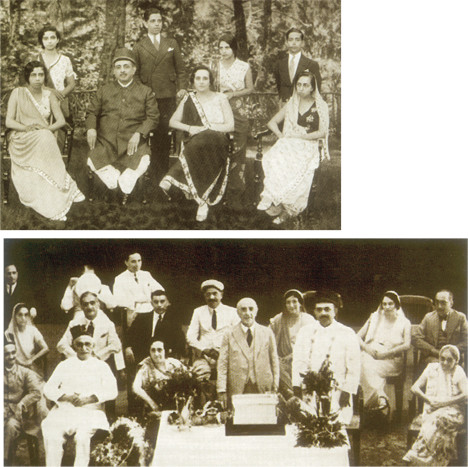
Sorabji Pochkhanawala (top), with his family (center) and at a party to celebrate the conferment of knighthood (right)
Sorabji chose to resign and with the assistance of Kalianji Vardhaman Jetsey and Sorabji Vicaji set out in earnest to lay the foundation of the Central Bank of India with Sir Pherozeshah Mehta as its first chairman. The others on the board of directors were: Manchersha Khan, Ardeshir Bomanji Dubash, Manekji Jethabhai Vardhman, Mulji Haridas, Radhakison Lakmichand, Motilal Kanji, Haji Dawood Haji Elias, Jamsetji Chothia, Jetsey and Sorabji. The trust reposed by their fellow countrymen was overwhelming for within a week of the Central Bank’s formation on December 21, 1911 they managed to open 70 current accounts totaling one-and-a-half lakh rupees. Over the course of the next 25 years Sorabji managed to tide the Bank over different crises and attempts to smear its reputation. When the Specie Bank and the People’s Bank in Punjab crashed in 1913 leading to a rush by customers to retrieve their investments from Central Bank, the chairman and other directors of the Bank pledged their personal resources to raise the necessary liquidity. The following year saw the outbreak of World War I and the consequent depression led to a depletion of the Bank’s deposits but its policy of cautious conservatism and sound business methods saved the day. Considerable resilience was displayed by the Bank too to withstand the efforts of the British government to devalue the Sterling to enhance the advantages of exports to India.
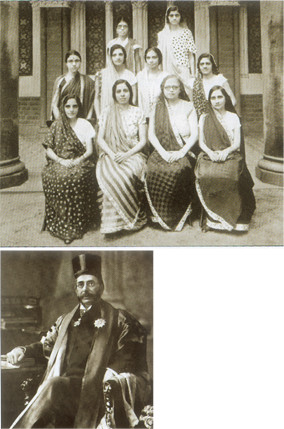
Central Bank’s first female batch of graduate assistants (above) and Sir Pherozeshah Mehta (left)
The takeover of the Union Bank of India (then managed by Europeans) by the Central Bank and the amalgamation of the Tata Industrial Bank with the Central Bank in 1923 are recognized as landmarks in the history of Indian banking. These instances of one bank going to the aid of another in difficulty exemplified Sorabji’s visionary abilities and paved the way for greater confidence among Indians aspiring to make a future in the banking sector. The amalgamation with the Tata Industrial Bank made Central Bank the largest joint stock bank in the country both in capital structure and resources at that point of time. What was even more creditable was that Central Bank’s resources were relatively insignificant compared to the bank it absorbed. Sorabji’s main intention then was to avoid loss to the Indian capital and to deny the Europeans the pleasure of seeing an Indian managed bank sink.
There were other firsts too at Central Bank introduced when Sorabji was at the helm: It was the first bank to open special accounts for women and children, and also the first to employ women to serve lady customers, in fact maintaining a separate department for them. It was the first bank to set up a library of its own. Buying and selling of gold bars in commercial sizes was first introduced by Central Bank. The safe deposit vault facilities were first introduced by Central Bank. It was also the first to administer estates on behalf of its clients, an activity managed by the Executor and Trustee department. Additionally, as bankers to a number of ‘native’ states, the Central Bank managed their treasury work and floated public loans. For the transaction of foreign exchange business the Central Bank was the first to establish a subsidiary Bank in England.
Just as the organization he founded kept creating records, individually too Sorabji made his mark when knighthood was conferred on him. This was the first time that a banker, Indian or European, other than the head of the Imperial Bank had been so honored. Gaining in international recognition, he had the privilege of being invited by the Government of Ceylon to chair the Ceylon Banking Enquiry Commission. Considering that Sorabji is known to have failed in the very first examination he took, making his associates question his choice of career, this simple and unassuming man left a lasting legacy to earn the epithet of "the father of the Indian banking industry.”
◆ ◆ ◆
From the archive