
Events & Personalities
Literally a leader
Besides being a spirited editor, author and social reformer, Kaikhushru Navroji Kabraji was a respected patron of arts. To acknowledge his "untiring efforts” on the occasion of his death centenary in 2004, Dr Aban Mistry offered her book The Parsis and Indian Classical Music — an unsung contribution (see Books, pg 59) to "one of the Parsi community’s greatest sons.” The Gayan Uttejak Mandali which he founded in 1870 sought to cultivate an interest in music among Indians. In 1883 he translated the British National Anthem into Gujarati, an effort commended by the ruling Britishers!
At the young age of 20 he became editor of Rast Goftar (Herald of the Truth) and in the course of the next 42 years he "demonstrated what is the status of a newspaper, what is freedom of the Press, what magical effect the pen has on its readership. By the power of his language and intelligence, he showed how the fourth estate could win and preserve fame. By the power of his pen, he dispelled ignorance, suspicion, cruelty and false practices. He was a courageous leader who fought for justice and morality,” notes Marzban Giara in his profile of Kabraji. As noted The Times of India, "To describe Kabraji’s connection with the Rast Goftar for well nigh 40 years is to write the political, social, religious and economic history of the Parsis during that period.” His writings as editor would reportedly stretch to 29 miles! He was perhaps the first Indian to be elected a member of the British Institute of Journalists.
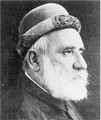
Kabraji: for good literature
Prior to his association with Rast Goftar he served as editor of Parsi Mitra, when at the age of 16 he drew a monthly stipend of Rs 4. Six months later he joined Jam-e-Jamshed, first as a reporter and shortly thereafter as its editor earning Rs 20 as salary.
Kabraji made great efforts to lead his community in the religious, social and intellectual spheres, towards the path of reform and light. He worked for the spread of female education and sought to protect the rights of women through the women’s magazine Stree Bodh which he edited and subsequently owned.
Born to Naoroji Hormusji Kabraji on August 21, 1842 in Bombay Kaikhushru’s early education was under a Mehtaji at Ghogha Street, Fort. At the age of 11 he joined Sir J. J. School to study English for five years. Coming from a poor family he was largely self taught. His wife Cooverbai bore him three sons and six daughters before she passed away at the young age of 38. Seventeen years later he passed away on April 25, 1904 at the age of 62.
His efforts to cultivate a taste for good literature and drama resulted in his penning Goolee Gareeb, Dukhyari Bachu, Vechaylo Var, Hoshang Baug, Deenee Daahee, Khohvaylee Khatlee, Bholo Dolo, Bheekho Bharbharyo, Meethee Meethee, some of his novels considered as Gujarati classics. He also took the lead in reviving the Dnan Prasarak Mandali and in presenting plays which were both interesting and full of wisdom. The Victoria Natak Mandali was started by him and among his famous plays were Bejon Manijeh, Jamshed, Faredun, Harishchandra, Nindakhanu, Sudi Vachche Sopari, Kaka Palan which were staged innumerable times.
For nearly two decades he served as a municipal corporator, wholeheartedly supporting every endeavor beneficial to the education of the body and mind of the public. He took the lead in founding Khetwadi Kasratshala as also the Society for Prevention of Cruelty to Animals and The Humanitarian League. In 1886 Shah Naseeruddin of Iran awarded Kabraji a gold medal in appreciation of his zeal for the welfare of Zarathushtis living in Iran.
◆ ◆ ◆
From the archive