
In Memoriam
The dedicated Dastoor
Died: Dastur Kaikobad Phirozeji Dastoor, 75, High Priest of the Iranshah Atash Behram and president of the Udvada Athornan Anjuman and Bombay’s Athornan Mandal on January 25, 2002 at his residence in Udvada following prolonged illness.
In appreciation of Dastoor’s "selfless and devoted services to the priestly class and young athornanzadas of the Madressa in particular and the community in general” the Athornan Mandal’s board of trustees and managing committee recorded his "sincere, keen and deep interest in the affairs of the Mandal... The upliftment and progress of young athornans was uppermost in his heart and mind,” added the resolution.
In addition to resolutions passed in Gujarati by the anjumans in Udvada, representatives of different anjumans referred to Dastoor’s dedication during the 31 years he served as high priest. "He presided over our holy Iranshah with dignity and conducted its functioning with a strong sense of dedication and pride,” wrote Phiroze Bharda, honorary secretary of The Bangalore Parsee Zoroastrian Anjuman, regretting that "the community has lost a great leader and an established authority on the Zoroastrian scriptures.” "Our community has lost a beacon,” noted F. H. Davar and Ervad N. B. Kanga, joint honorary secretaries of the Ahmedabad Parsi Panchayat, referring to Dastoor as "an illustrious, unassuming personality whose smiling face was a symbol of all that was good.” On religious issues confronting the Dahanu Road Parsi Zoroastrian Anjuman Fund Dastoor’s guidance had been sought on many occasions, recalled its president Zarthost Mubarakai. Helpfulness and generosity, not only to members of one’s own community but to sister communities too, were Dastoor’s hallmark, acknowledged the trustees of the Bulsar Parsi Anjuman Trust Funds.
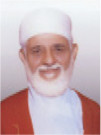
Dastoor: piety and devotion
The years he spent in Udvada, serving the Iranshah and the Sanjana tola of priests, only posterity will value, declared Prof Khurshed Sheriar. Whenever he was invited to a function in Bombay, he ensured that he returned to Udvada the very next day, confirmed his son Khurshed who succeeds him as Dastur. As per the practice prevailing among the Shri Udwada Nav Kutumbi (Nine Families) Athornan Anjuman, there are two high priests affiliated to the Iranshah. Kaikobad was the 19th descendant from his family to take on his father’s mantle in 1971, functioning in conjunction with Dastur (Dr) Hormazdyar Mirza. Every alternate year Dastoor and Mirza took turns to preside over the meetings of the Anjuman. More often, it was the resident high priest who would take charge of local affairs. "Despite being very orthodox, he was practical,” Khurshed commended his father’s flexibility when situations so demanded, instead of insisting on rigid adherence to dogmatic practices.
Dastoor was "a rathaeshtar (soldier) who faithfully stood by the principles of our deen (religion),” appreciated his orthodox colleague Roni Khan who passed away within seven months of sending the condolence letter. "Who can forget the superb ‘mini-letter’ that he wrote opposing the conversion and juddin navjote of a certain rich and powerful (Christian born of a Parsi father)?” In 1994 when the octogenarian industrialist Neville Wadia had sought the high priests’ consent to his navjote, Dastoor along with Navsari’s Dastur Meherji Meherjirana were the two High Priests who dissented whilst the five other High Priests consented to the navjote. Dastoor had then written to Wadia in his letter dated August 9, 1994, "I cannot agree to your request to convert you in the Zoroastrian religion as the same is not permitted in our religion. With regards and blessings of Iranshah (see "A Zoroastrian again,” Parsiana, October 1994).” Khan added, "I am at least glad that (Dastoor) received the full exposure to and admiration of the public at the historic vada dasturjis’ public meeting that we held on April 21, 2001 at (Bombay).” The High Priests then had unanimously spoken in favor of continuing with the dakhmenashini tradition even in the absence of vultures.
There were other community and charitable organizations too which he had aided during his tenure as High Priest. Trustee of the N. M. Wadia Charities, Sam Joshi referred to Dastoor’s helping hand "at the time of the centenary of the Atash Behram in installing the bust of Bai Motlibai Wadia on the verandah of the Atash Behram against strong opposition from some members of the Anjuman.” President of The Bombay Parsee Association Vispi Dastur commented on the High Priest’s "knowledge...courtesy, dignity and willingness to guide and help all those who came to him.”
With his cheerful and loving disposition he had endeared himself to all during his 12 years as trustee and vice president of the Shree Udvada Vibhag Sarvajanik Kelavni Mandal, as noted its president, giving him credit for suggesting schemes with foresight and in the interest of sound education.
Valsad born Dastoor’s own education was at Dadar’s Athornan Boarding Madressa before he did his navar-maratab. From 1941-43 the young initiate performed pav-mahal ceremonies as also boi prayers at the Iranshah in Udvada. Thereafter he completed his SSC from the M. F. Cama Athornan Institute receiving training from priests like Dastur Khurshed Dabu. He then proceeded to St Xavier’s College for his BA degree. Before he took over as High Priest, he was for some years a teacher at Nasik’s Boys’ Town Public School and had thereafter worked in Bombay.
Interested in sports he represented St Xavier’s at inter-collegiate cricket tournaments, according to his curriculum vitae. His passion for cricket abided with him till the end and he enjoyed watching every game of cricket on television, mentions Khurshed, adding, being of service to the people was his other interest.
As commented one of his schoolmates Burjor Antia, partner of Mulla and Mulla and Craigie Blunt and Caroe, "He sincerely guided our community in the religious field for several decades.”
The High Priest is survived by his son Dastur Khurshed and daughter Zenobia Peshotan Sidhwa, sister Banoo Dastoor and brothers Eruch and Khurshedji.
◆ ◆ ◆
From the archive