
Events & Personalities
Vulture numbers drop
The population of long-billed as well as white-backed vultures has dropped from 347 in February 2019, to 249 in March 2021 according to a survey conducted jointly by the forest department and the Mahad-based Society for Eco Endangered Species Conservation And Protection, a nongovernmental organization founded by Premsagar Mestri, an honorary wildlife ranger. The 28% drop in the vulture population in Raigad district, one of the raptors’ natural abodes in the state of Maharashtra, was reported by The Indian Express (IE) in its issue of July 7, 2021.
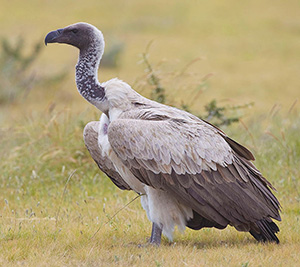
Photo: Wikipedia
Both these species are listed as "critically endangered” on the International Union for Conservation of Nature’s Red List. At one time the most common large raptor in the world, the number of the white-backed vultures had dropped by an alarming 99% across the Indian subcontinent due to the use of diclofenac (birds who feed on the carcasses of animals that had been administered this drug die of kidney failure), mentioned IE. The manufacture of diclofenac for veterinary use was banned in 2006.
Mestri told IE that other factors which contribute to the drop in the vulture population are: "Cyclones, heavy rainfall, the felling of tall trees used by vultures to build nests, as well as inadequate food supplies and large-scale deforestation of large habitats.” During the recent survey, five to seven-member teams studied the movement of vultures around their nests throughout the day at several locations in the district. The direction of their flight while leaving the nests and while returning was closely monitored. The birds’ movements on the trees were also recorded.
Sherene Vakil
◆ ◆ ◆
From the archive