
Events & Personalities
Vultures and Covid
If vultures still inhabited Doongerwadis, the corpses of Parsis who died of Covid-19 could have been consigned in the dakhmas. "Despite feeding on infected carcasses, vultures do not get infected. The acids in their stomach are potent enough to kill the pathogen. Thus, the chain of infection is broken. It invisibly controls the spread of harmful pathogens causing deadly anthrax, cholera, foot and mouth disease, rabies and distemper,” notes S. Bharathidasan, who set up the Arulagam Foundation, an NGO (nongovernmental organization) that works with vulture conservation in the Nilgiris biosphere in south India. His Instagram post and short video explaining why vultures are protectors of nature were commented on by The Hindu (TH) in its Coimbatore edition on May 4, 2021.
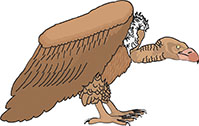 The video shows how our rich biodiversity plays a huge role in keeping germs in check; and in this vultures, as carcass feeders, play a significant role. "The human race has encountered many viruses like Covid-19,” Bharathidasan says. He explains, "Though there is no direct relationship between vultures and Covid-19, it’s high time we realized their importance and protected them. The scavenger birds hold the key for a natural mechanism of infection control.”
As vultures are slow breeders, restoring the population is an uphill task, notes Bharathidasan. "If they become extinct, there will be a huge ripple effect. Other scavengers like rats and dogs may take over temporarily, but with that comes problems like increased incidence of rabies.” He mentions that the drug diclofenac administered to cattle had led to a catastrophic decline of vulture species in the south Asian region. "Though diclofenac is now banned, other equally harmful drugs are still in use,” he states.
Another compelling reason why the raptors are required in the ecosystem is that they prevent the contamination of water sources, especially in the wild. "When animals die near a watering hole, there is an imminent danger of contamination resulting in a quick spread of infections and mass death,” Bharathidasan remarks. "But vultures devour the carcasses in totality, thereby preventing a tragic mishap. Despite this,” he laments, "their importance in the ecosystem is not understood.”
"One has to learn about nature and the purpose of scavenging to understand why vultures matter,” says H. Byju who has elaborated on this subject in his book Valley of Hope – Moyar and Vultures. Quoting the photographer, independent researcher and conservationist, the TH report ends on a hopeful note: "In India, we have nine species (of vultures)… In the last four years, the population has grown by maybe 10%.”
The video shows how our rich biodiversity plays a huge role in keeping germs in check; and in this vultures, as carcass feeders, play a significant role. "The human race has encountered many viruses like Covid-19,” Bharathidasan says. He explains, "Though there is no direct relationship between vultures and Covid-19, it’s high time we realized their importance and protected them. The scavenger birds hold the key for a natural mechanism of infection control.”As vultures are slow breeders, restoring the population is an uphill task, notes Bharathidasan. "If they become extinct, there will be a huge ripple effect. Other scavengers like rats and dogs may take over temporarily, but with that comes problems like increased incidence of rabies.” He mentions that the drug diclofenac administered to cattle had led to a catastrophic decline of vulture species in the south Asian region. "Though diclofenac is now banned, other equally harmful drugs are still in use,” he states.
Another compelling reason why the raptors are required in the ecosystem is that they prevent the contamination of water sources, especially in the wild. "When animals die near a watering hole, there is an imminent danger of contamination resulting in a quick spread of infections and mass death,” Bharathidasan remarks. "But vultures devour the carcasses in totality, thereby preventing a tragic mishap. Despite this,” he laments, "their importance in the ecosystem is not understood.”
"One has to learn about nature and the purpose of scavenging to understand why vultures matter,” says H. Byju who has elaborated on this subject in his book Valley of Hope – Moyar and Vultures. Quoting the photographer, independent researcher and conservationist, the TH report ends on a hopeful note: "In India, we have nine species (of vultures)… In the last four years, the population has grown by maybe 10%.”
Sherene Vakil
◆ ◆ ◆
From the archive