
Seeking security – II
Reports on community properties and infrastructure dominated the discussion on the West Zone B anjumans
The holy fire at Davier which celebrated its 162nd anniversary on April 16 saw 650 visitors on that day, reported Marazban Wadia, president of the anjuman there, adding that the building that houses the fire is over 100 years old. He said that their doongerwadi property had been recently landscaped.
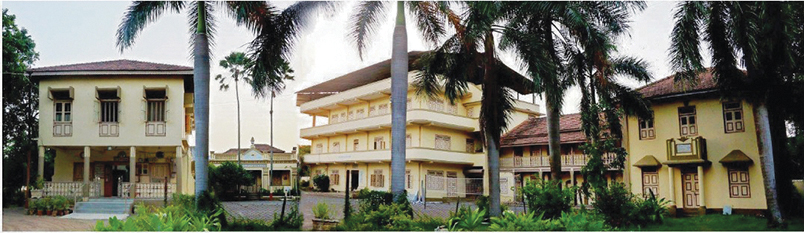
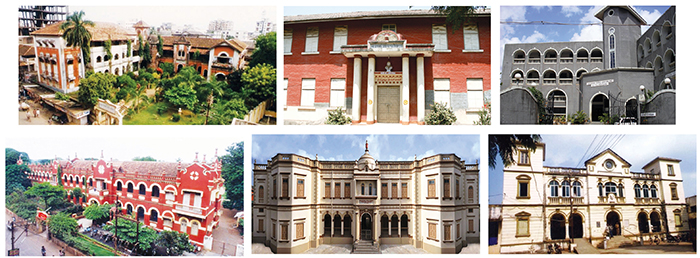
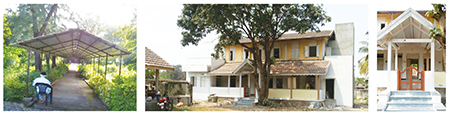
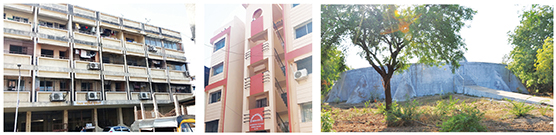
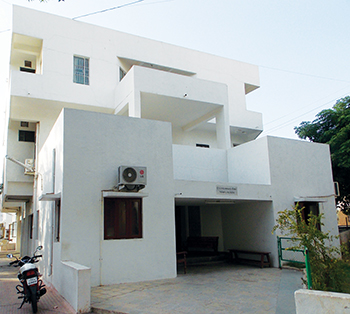
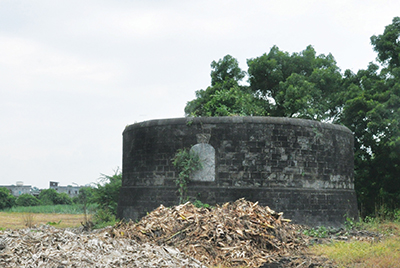
Baroda’s dharamshala; Bardoli’s dakhma
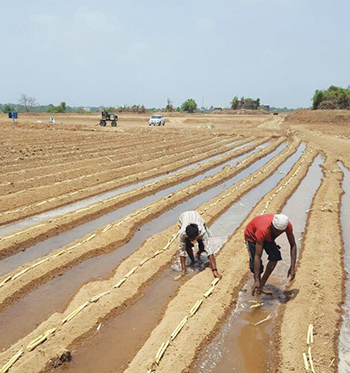
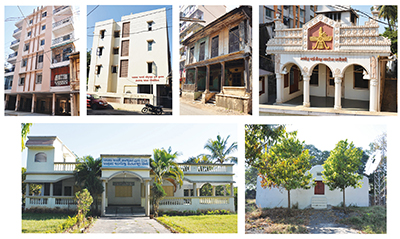
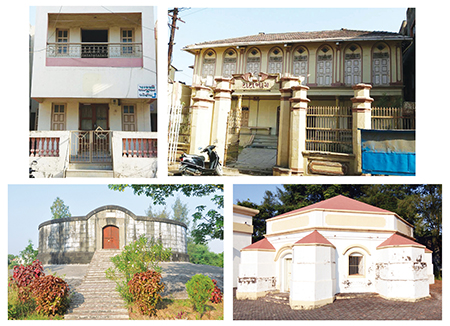
Photos supplied by anjumans
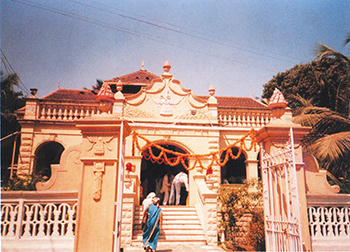
Nargol’s agiary Photo: Global Directory of Zoroastrian Fire Temples
In Ahmedabad, from an anonymous donation of Rs 2.5 crores the APP spent a portion to plant 600 trees on the doongerwadi lands there, and have plans for "2,000 more before the monsoons end,” said Anklesaria. The funds will also be used to develop the 22-acre property into an "oxygen hub” with baval trees, flower beds and walking paths, he added. The Vakil Anjuman Adarian should hopefully be renovated before the muktads. The APP has 85 residential flats under its jurisdiction, and enjoys an income of Rs 1.70 crores from rentals from the buildings and the dharamshala. "I insist on 20% of the income being ploughed back, towards contingencies,” Anklesaria declared. A quarterly newsletter keeps the local community informed of events and expenditure incurred by the Panchayat. The anjuman provides a monthly pension of Rs 10,000 to all mobeds and pallbearers in the city who have rendered service for 20-25 years and helps 70 beneficiaries with Rs 1,000 per month and grains twice a year. An ex gratia payment of Rs 50,000 is made annually to all office staff members plus mobeds receive Rs 20,000 in addition to a set of clothes twice a year. Medical expenses for deserving community members account for Rs 8.5 lakhs annually and education help, Rs 10 lakhs. Four gahanbars and three shehri nu jamans (community meals) take place annually in Ahmedabad, Anklesaria said.
The largest (by population) among the West Zone B anjumans is Surat that has 57 residential buildings for community members, said Surat Parsi Panchayat (SPP) trustee Dr Homi Doodhwala. A recent construction of seven buildings with 184 flats, including 54 specifically for married couples, had given the community 34 children, he beamed! Among those residing in the SPP infirmary are 16 senior couples who can avail of free physiotherapy offered to inmates and outpatients. Their doongerwadi lands have been used to plant between 6,000 and 8,000 baval trees, Doodhwala reported. Expenditure on relief of poverty, by way of food grains to the needy cost the SPP Rs 40 lakhs last year and assistance for educational purposes approximately Rs 25 lakhs. A two-year program for the renovation of the Enti Dharamshala will be taken up soon, he informed the gathering. The Zorastrian Women’s Assembly of Surat will be entering its 25th year, he said. The Parsi Pragati Mandal continues to work for religious and other welfare requirements of the community. The announcement that Surat sees about 70 gahanbars annually (around six a month), hosted by various trusts in the city, drew a round of applause.
The application of the SPP for registration under FCRA [Foreign Contributions (regulation) Act, 2010] has been rejected twice. It can therefore not receive donations from foreign sources. To overcome this, honorary secretary of FPZAI Farrokh Rustomji suggested application under the FCRA on an as-and-when basis, when a donation was expected, instead of the blanket approval that the SPP was seeking.
Navsari has a total of 660 "charity blocks” for Parsis, with the highest concentration being at Ava Baug, according to Dara Deboo, trustee of the Navsari Samast Anjuman. Over 14,000 students study at Parsi endowed educational institutions (eight schools and four colleges) in Navsari, said Deboo. As an ethnic minority, Parsi students domiciled in Gujarat get preferential seats in the veterinary, agricultural and horticultural colleges in the state, Deboo informed the audience. The Dabu Parsi General Hospital and the Mehta Sarvajanik Hospital together have a capacity for 360 beds. The Abuwala Parsi Infirmary in the city accommodates 55 residents at the moment, he added. Adjacent land admeasuring 20,000 sq ft was purchased for the infirmary. Accommodation at the Sorab Baug dharamshala is provided free for students and patients, he noted. Three anjumans serve the needs of the Parsi population of 2,500 — Behdin, Athornan and Samast. At the time of the 250th anniversary of the Navsari Atash Behram, their trust had received over three crores as donations, The trusts that work in the city are self-sufficient. "Even if no donations are received, we will not be in trouble,” concluded Deboo.
One hundred and fifteen Parsis are on the register of the Bharuch Parsi Anjuman with about 45-50 actually living there, said ex-trustee Sarosh Ginwalla who represented that city. With an income of Rs 27 lakhs and expenses of Rs 24 lakhs, the Anjuman looks after three agiaries and the recently renovated Merwan Baug Hall there. The association holds 10 to 12 gahanbars each year, said Ginwalla.
On a request from Desai, Pilloo Ginwalla detailed the anjuman’s view on the transfer of the consecrated fire from the Pestonji Aslaji Doongaji Agiary to the proposed fire temple at New Bombay: the Bharuch anjuman had informed the Agiary Trust that the moving of the fire was okay with them, but had requested the trustees to retain a dadgah in its place. "The anjuman view is it would be better to shift the fire where it would be worshipped and is well maintained…There are only two Parsi families in the Out-Fort area where this place of worship is located, and one is that of the Agiary helper… Currently there is a 70-year-old priest who has to run between three agiaries,” she noted.
Fearing that the agiary in New Bombay may end up being a universal place of worship open to all communities, Desai proclaimed, "It may be fortuitous that the atash padshah was not shifted… I saw the trust deed. It’s completely cosmopolitan for all practical purposes. They are now in the process of writing a new trust deed. Sometimes God works in strange ways.” Sharukh Doctor, trustee of the New Bombay Zoroastrian Association Charitable Trust reconfirmed to Parsiana on June 6, via a phone call that the trust deed which currently states that the place of worship will be for use by Zoroastrians, will be amended to read "Parsi-Irani Zoroastrians” (see "Ire over New Bombay fire,” Events and Personalities, Parsiana, May 7, 2017).
The Valsad anjuman has a membership of 650, stated managing trustee Sam Chothia, vice president for West Zone B who also represented that city. They manage 60 residential blocks, a dharamshala — Bezon Baug, and two agiaries. The construction of a 1,800 ft wall is expected to be taken up soon, to safeguard their properties at doongerwadi, at an estimated cost of Rs 80 lakhs. A magnanimous donation of Rs 72 lakhs was received from philanthropist Rusy Shroff of Hong Kong.
A government road may soon pass through the nine-and-a-half-acre dakhma property in Vadodara, reported anjuman president Baman Cama. With an agiary dating from 1845, a community hall and a 16-room dharamshala, the anjuman disburses two-a-half-lakh rupees annually for religious purposes, between six and eight lakh rupees as medical aid, about four lakh rupees towards education support and about three lakh rupees towards poverty relief. The merit award scholarship program started four years ago continues, Cama added.
The Bilimora Anjuman distributes food grains to the needy twice a year — December and May. For the first time this year, they will additionally distribute 10 meters of muslin to each recipient. Two flats in their building constructed opposite the agiary (see "Building in Bilimora,” Events and Personalities, Parsiana, March 7, 2016) are still vacant, said anjuman president Marazban Baria. Income from rents (from 100 tenants including 80 shops) is Rs 98 lakhs annually, yielding a surplus of Rs 16 lakhs. From a corpus of approximately Rs 58 lakhs that yields an income of about six lakhs, the anjuman aids needy families with monthly doles of Rs 750 each. Baria lauded the role of Vistasp Katrak of Chikhli and his family who held the fort for Bilimora during the muktads on the sudden departure of their mobed. Accommodation at the dharamshalas — Tata Baug and Rustom Baug is given free for Parsi weddings and navjotes, he reminded the audience. Their doongerwadi is well maintained.
There are 100 Parsis in and around Chikhli. Trustee Katrak said that their dakhma stands on three acres of land. From a corpus of Rs 40 lakhs, the anjuman manages an annual gahanbar, a place of worship, a dharamshala and a hall built in 1996.
Yasmine Sanjana reported that the Bardoli anjuman, of which she is a trustee, has 94 members. Functioning with a "very small corpus,” income is mostly by way of rents, from shops on the ground floor of their dharamshala and rooms on the two upper floors. They hold an annual gahanbar and jashan to "bind the community.”
On April 30 when the anjumans were presenting their reports, two agiaries were celebrating their anniversaries – in Pardi and Gandevi. The 136-year-old agiary in Pardi caters to a permanent population of 30. The anjuman also maintains the dharamshala and a dakhma out of a corpus of Rs 35 lakhs. All donations are received from people with roots in that town only, according to its trustee Aspi Pardiwala.
The agiary in Gandevi recently celebrated its 180th anniversary, remarked president of the anjuman, Phiroze Gandevia. The trustees are considering turning their anjuman over to the Defunct Anjumans Committee (DAC), he said (see "Faith in the Federation,” Parsiana, May 7, 2017). Pervez Khergamwalla of Khergam reported that they were in discussions with the DAC to hand over their community properties (see "Seeking security,” Parsiana, June 7, 2017).
The Vyara-Songadh anjuman (the two towns are 18 km apart, Vyara being 65 km from Surat) invites members from sister communities to its annual Parsi New Year functions, reported their trustee Persi Buhariwala. The roof of their place of worship is in need of repairs at an estimated cost of Rs 4.25 lakhs, he said. The dakhma lands have been productively used for planting about 2,500 baval trees, he noted (see "Dealing with the defunct,” Parsiana, May 21, 2017).
Trustee Soonoo Vesuna of Vesu, now a suburb of Surat, reported that there are approximately 20 Parsi families in their area. The association supports some families with medical and educational aid and provides financial aid to the needy. "We need more upliftment,” she said.
The 50 to 60 families who live in and around Vansda in Navsari district are mostly agriculturists, said anjuman trustee Pesi Kasad. The major activity of the anjuman is looking after the four-acre aramgah property.
With between 25 and 30 resident families and a transit population of about 60, the Saronda anjuman has an annual income of between eight and 10 lakh rupees per year, whereas expenditure stands at between five and six lakhs, said anjuman president Yezdi Panthaki. Their agiary is 150 years old and the anjuman shares its dakhma with the community at Nargol, said Panthaki. The Saronda anjuman insists that its annual general meeting and trustee meetings be held only in that town.
The agiary in Nargol is home to three holy fires, said Faroakh Govadia, chairman of the anjuman of the seaside town. In a follow up call from Parsiana on June 7, he explained that the adarian fire is approximately 800 years old, and the two dadgah fires were installed in the first half of the 20th century, pursuant to a dispute between the then trustees and the land owners. At one time, seven mobeds tended to the agiary, today there is only one, he rued. The first English medium school established there in 1908 now has no Parsi students, he added. With an annual income of a little over three lakh rupees, the anjuman has expenditure of about five lakhs. Thirty acres of its land is under baval plantations, he said. Govadia made an appeal for help from those present for their mobed, Ervad Sohrab Bharucha who had suffered an accident on April 24 and was in the intensive care unit of Saifee Hospital in Bombay (see "Support Nargol priest,” Readers’ Forum, Parsiana, May 21, 2017).
Hosi Bajina, president of the Mahuva anjuman reported the renaming of the Parsi Mohalla of that town after the late Lt Cdr Firdaus Mogal to commemorate his bravery at sea (see "Mahuva’s Mogal mohalla,” Parsiana, October 7, 2016) and commended the renovation of the agiary by Porus Mogal from his personal funds. Porus is a nephew of his co-trustee Dr Hoshang Mogal. The anjuman has planted sugarcane on an acre of their property and if the results are good, they would bring more acreage under plantation next year, he said. Levelling of land on their dakhma premises was being completed, and they are looking for funds for drilling of bore wells, electrification and construction of a protective wall (see "The unused dakhmas,” Readers’ Forum, Parsiana, April 7, 2017).
With a corpus of Rs 25 lakhs, the Ilav anjuman has fixed deposits of Rs 20 lakhs and spends two lakh rupees a year on educational and medical assistance. The BPP has a fund for gahanbars to be held in Ilav each year, according to Pervin Jehangir who represented that town, "but the amount has not been received for a few years,” she complained.
"There is good work being done by each anjuman,” said Rustomji in his concluding remarks, reminding the gathering that "there is no other opportunity to get to learn about so many other anjumans.” Meetings such as these help "to discuss community problems on a larger scale.” He urged the anjuman representatives present to send in their nominations for the category of "silent worker” awards to be conferred at the 2018 World Zoroastrian Congress in Perth. He thanked the BPP trustees, anjuman representatives, the Press, the management of the Banaji Atash Behram Hall and the service providers who had "taken good care of the delegates.”
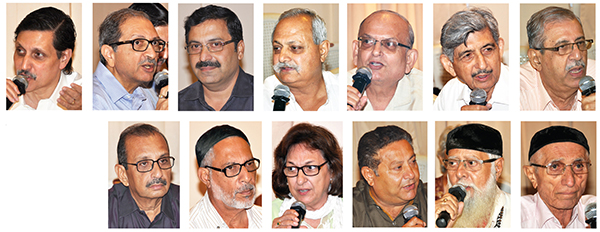
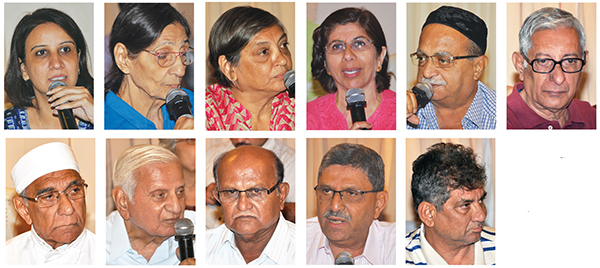
Those present were Porus Debara from Agra; Brig Jahangir Anklesaria (Retd) and Kersi Daruwala from Ahmedabad; Anahita Desai from Badnera Amravati; Kersi Sanjana and Yasmine Sanjana from Bardoli; Cmde Medioma Bhada (Retd) from Belgaum; Sarosh and Pilloo Ginwalla from Bharuch; Marazban Baria and Jimmy Dandiwala from Bilimora; Yazdi Desai, Armaity Tirandaz, Noshir Dadrawala, Kersi Randeria, Zarir Bhathena, Viraf Mehta, Cawas Panthaki, Aspi Sarkari from Bombay; Khurshed Pastakia, Minoo and Perviz Khan from Borivli; Vistasp Katrak from Chikhli; Mancher Mubarakai from Dahanu; Marazban Wadia and Pareecheher Daviervala from Davier; Adil Nargolwala and Cyrus Engineer from Delhi; Phiroze Gandevia and Farokh Saher from Gandevi; Pervin Jehangir and Mehroo Panthaki from Ilav; Pervez Irani and Gaiv Irani from Iranian Zoroastrian Anjuman; Ronny Dick from Jhansi; Pervez Khergamwalla from Khergam; Hosi Bajina from Mahuva; Pervez Mandviwala, Dara Gandhi and Firoz Jokhi from Mandvi; Cyrus Mancherji from Mhow; Navroze Daver from Nagpur; Hoshang Wania and Faroakh Govadia from Nargol; Dara Deboo and Neville Deboo from Navsari; Gita Choksi, Darab Bajina and Dr Navroze Kotwal from Panchgani; Aspi Pardiwala from Pardi; Farokh Irani and Polly Patel from Poona; Tehmton Anklesaria from Ratlam; Ervad Yezdi Panthaki and Dinshaw Patel from Saronda; Vishtashp Munshi from Sholapur; Dr Homi Doodhwala from Surat; Dara Jokhi and Cyrus Medhora from Tavdi; Zarsis Udhnawala, Marazban Bam and Percy Karani from Thana; Baman Cama from Vadodara; Sam Chothia and Yazdi Laher from Valsad; Pesi Kasad from Vansda; Soonoo Vesuna and Keki Lakdawala from Vesu; Dr Bahadur Jokhi, Persi Buhariwala and Sarosh Buhariwala from Vyara. Farrokh Rustomji attended as honorary secretary and Manek Kalyaniwalla represented the Defunct Anjumans Committee.
The guest speakers were Rustom Vakil from Faramji Hormusji and Manekji Faramji Sethna Trust, Pearl Mistry from Jiyo Parsi and Ayesha Mehta from the Holiday Programme for Youth. The Press was represented by Parsi Times and Parsiana.