
Cinematic tribute
Looking out of the window of his Bandra apartment, Homi Dastoor (pictured), donning a Parsi topi, is filmed praying fervently as is his practice every day, with the meaning of the Avesta prayers incorporated in the narration. This is the opening scene of Rafeeq Ellias’ short film The Ninety First Symphony — The Musical Journey of Homi Dastoor when the nonagenarian celebrated his 91st birthday. The music buff had authored Musical Journeys — A personal Introduction to Western Classical Composers two years 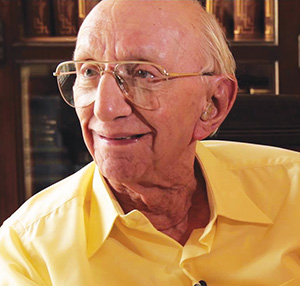 ago in 2014 (see "Classics are forever,” Books, Parsiana September 7, 2014). Thumbing through Google’s human interest stories, Ellias got acquainted with Dastoor’s fervor on reading about this book on Google, met him and wanted to immortalize the senior citizen’s ardency, perseverance and scholarship — all striven for by Dastoor from the age of eight. The self-conscious adolescent would refuse to go down for any recreational activity in the knee-length shorts his mother got stitched as he did not want the world to see him out of step with fashion. Books became his playmates; music history, his absorption.
Ellias portrays the music scholar as a model of learning, the ever-seeking student. "His notes are works of art in themselves, neatly and beautifully handwritten like the musical notes of his heroes, all methodically indexed and meticulously bound. These are priceless and speak of the man,” the inspired filmmaker says. As background through most of the film we hear Ludwig van Beethoven’s Violin concerto in D major Opus 61, with violinist Anne-Sophie Mutter seen on screen as Dastoor watches his ample cache of DVDs (digital video discs). The violin pulls at his heartstrings as he started studying it at age 75 from a 20-year-old teacher, Kenneth D’Souza. Beethoven’s nine symphonies were the spinal column of western classical music repertoire, the film quotes Dastoor as stating. He reminisces about "Mr Framroze,” the then general manager of the Taj Mahal Hotel who told him about meeting Jascha Heifetz in 1923, much to Dastoor’s excitement.
The film, which won an award at the Kolkata Shorts International Film Festival, was shot on three to four Saturday mornings, in Dastoor’s Bandra home, in the presence of his daughter Meher Marfatia, columnist and writer. The low budget film shows the aficionado choosing music to listen to, with the framed photographs of his late wife atop showcases and of his children in the background at a younger age. Ellias sensed a private person who "has no desire to be a larger public persona.” In fact the cinematographer says that the nonagenarian did not understand why "I made such a fuss about him.” The short film maker is drawn to chronicling and confesses "to a deep empathy with a time bygone… they speak of gentler times, more tolerant times, more leisurely times and times when music and theater had a very important place… All of this, plus his voice full of conviction, his ability to turn a phrase, his twinkling, loving eyes, all at 90 plus, were my inspiration.”