
Missing out on music
The community’s declining numbers are reflected in the lower attendance at western music concerts
Let me address a specific aspect which is being impacted as a result of this decline in numbers, namely, the field of the performing arts and the state of western classical music in India.
For long, the bastions of western classical music in India were, and still are, Bombay, and to a slightly lesser extent, Poona and Calcutta. The audiences at such concerts were predominantly Parsis, along with a few members of the Christian community and expatriates. With the passage of time and with the Parsi population declining, it is difficult today to fill the concert halls. Today’s audience is predominantly that of ageing Parsis rather than youngsters. Thankfully, members of other communities are showing interest in western classical music, and now form a substantial portion of the audience.
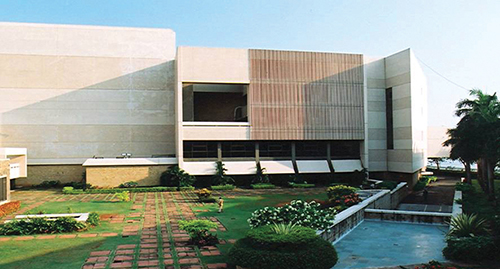
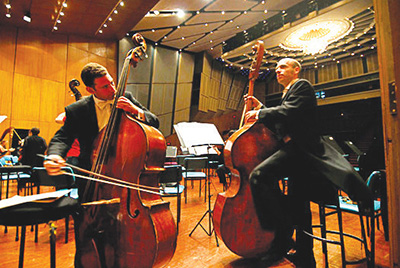
NCPA complex which promotes the performing arts
The National Centre for the Performing Arts has two schools for training children in western classical music. The first is the Avanti Program (Avanti means way forward), in which, out of a total of about 150 children, Parsis do not number more than 15 or 20. The second, is the very high Conservatory level Special Music Program along the Russian Music System, in which out of 24 students only two are Parsis.
The Parsi community has produced luminaries in every field — be it medicine, law, engineering, education, and others too numerous to mention. The decline in numbers of our splendid community cannot but have a deleterious effect not only on the community but on our nation as a whole.
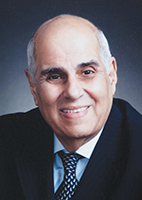
Chairman of the National Centre for the Performing Arts and founder of the Symphony Orchestra of India, Khushroo N. Suntook is an acknowledged authority on western classical music. He was associated with the House of Tata for 32 years, serving as director of Tata Oil Mills, Tata Finance Ltd, Tata Investment Corporation, Lakme Ltd and Tata McGraw Hill Ltd, and as president of Tata Services Limited. An advocate of the Bombay High Court, and a fellow of the Institute of Company Secretaries of India, he hails from a family with distinguished legal lineage, his great-grandfather Sir Dinshah Davar and grandfather Jehangir Davar being eminent judges of the Bombay High Court. One of the founders of Bisleri (India) Pvt Ltd, he was also president of the Council for Fair Business Practices.