
Comment
Zoroastrian zamindars
The pros of buying land are greater than the cons
When the elders of our family from the farming sector spoke about the satisfaction they felt in the good old days it sounded like a fairy tale to us considering the present day situation. The nutritional level of food was far greater.
The increase in population necessitates growing more food using chemical fertilizers, pesticides, growth hormones and even genetically modified seeds. Quality has suffered. In earlier times nature behaved in a more predictable manner because there was more greenery. The soil was free from pollutants, the air was pure and adequate water was available. Land could be easily cultivated. Trees have now been cut for developmental projects.
The increase in population necessitates growing more food using chemical fertilizers, pesticides, growth hormones and even genetically modified seeds. Quality has suffered. In earlier times nature behaved in a more predictable manner because there was more greenery. The soil was free from pollutants, the air was pure and adequate water was available. Land could be easily cultivated. Trees have now been cut for developmental projects.
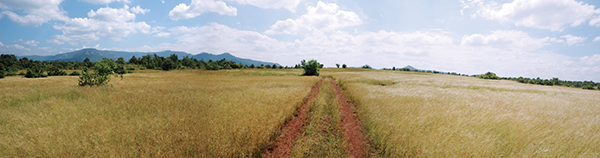
A barren tract of land
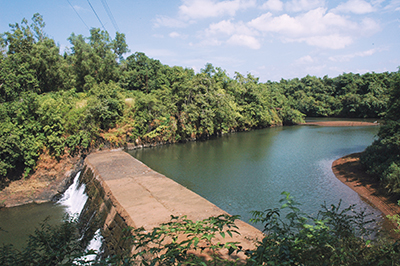
A manmade water source for agriculture
Parsis had large landholdings. Many became farmers and lived in joint families. As industries began to flourish and bring in higher financial returns, many Zoroastrians turned to in-dustry. As labor received greater financial returns from factories, agriculture suffered a shortfall. Pollution affected the crops. Industrial waste and deforestation created ecological imbalances.
The younger generation sought their fortune in large cities or abroad. Even those who managed to continue farming faced difficulties in finding spouses. Urban women refused to settle in villages even if the farmer was financially stable. Successful farmers began to send their children to towns for education, and many never went back. I have seen other backward community members unwilling to work on farms, choosing instead shops and hotels.
Today, agriculture has become a business of the rich. Often poor farmers commit suicide. Avan Baug in Navsari houses a large number of former farmers who have sold all or a major portion of their property.
Today organic farming is gaining momentum. During the transition period from chemical farming to organic farming there will be little yield for four to five years. Fifteen years from now, the market for agricultural yield will be enormous especially with the exit of the middleman due to the internet and e-commerce solutions. Today the farmer gets 15% of the price paid by the end user. This has created inequalities of wealth.
I urge members of the community to purchase agricultural land and become farmers. Don’t worry if you have to travel even five or 10 hours to get there. With the advent of mechanical farming, there are farming tools for harvesting, tilling, etc. If manpower is not available, contractual labor can complete the work faster though it may cost more.
The learning process may take years before one is able to extract adequate agricultural yield. One requires more than 10 acres to be viable. Smaller plots will not fetch adequate financial returns.
May the community buy more land and become zamindars (large landowners) as in the past.
.JPG) Noshirwan Mistry, is a photographer and agriculturist. He grows organic Alphonso mangoes in Dapoli, Ratnagiri District, on his farm which he bought eight years ago.
Noshirwan Mistry, is a photographer and agriculturist. He grows organic Alphonso mangoes in Dapoli, Ratnagiri District, on his farm which he bought eight years ago.
◆ ◆ ◆
From the archive