
Bawa Musings
When did you come to Bombay?
The class divide between the early and later Parsi migrants to Bombay has diminished
Parsis started migrating to Bombay from towns in Gujarat like Navsari, Surat and Bharuch in the early part of the 18th century when the East India Company had already gained control over Bombay. Many were disadvantaged and/or fortune hunters. Migration was in their DNA, their forefathers having migrated from Iran to the west coast of India, centuries ago. The Great Indian Railway had not yet started and Bombay was a foreign country to these adventurers. Most became traders and stood out amongst the rest of the populace, as they talked, looked and thought different. Fortunes were slowly made and also lost by those who sailed to China and neighboring lands selling silk, spices and opium. They braved adverse conditions, even though life was often, in the words of philosopher Thomas Hobbes, "solitary, poor, nasty, brutish and short.” Tough as nails, amoral if not immoral, they had the first mover advantage of the risk taker. After the great Indian mutiny of 1857 was quashed and Her Majesty’s government took over from the decadent ‘Company Sarkar,’ greater number of Parsis left their cocoon of comfort in Gujarat, lured by the temptress called Bombay. They distrusted strangers and preferred their co-religionists, who were summoned to Bombay, to work for the now fast growing businesses of ship building, construction and export. We shall call them the early migrants. Between the two World Wars, almost every family had someone in Bombay. We shall term them the later migrants.
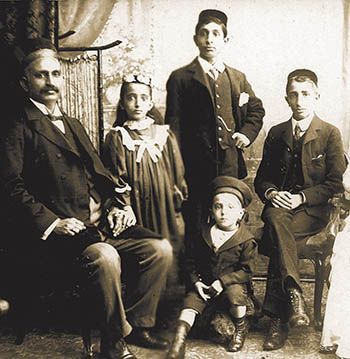
The early elite
When India became independent in 1947, there was a divide between the early and later migrants. Barring exceptions, of course, the early migrants were richer, spoke better English, had residences in the posher parts of the city and were connected to well known business families. The later ones became professionals like doctors, lawyers, engineers and architects or took up employment with Parsi establishments like Tatas or the Central Bank of India or the Wadias or the Godrejs. The former educated their children in schools like Cathedral and John Connon and Campion, the latter in Bharda New High and St Xavier’s. The early ones kept dogs, engaged ‘ayahs’ and ‘mistry’ and ‘Boy’ (maidservant, cook and valet), ate at a dining table using fork and knife and marrow spoon, were members of the Willingdon Club and the Cricket Club of India (CCI), enjoyed Beethoven and Mozart; the other class conversed in Gujarati at home, were scared of dogs, engaged ‘Gangas’ and ‘Ramas’ ( household domestics of a lesser kind), sat on a mat on the ground to eat with their fingers and suck the bone marrow with a whistling sound, enjoyed Radio Ceylon for Binaca Geetmala and later Vividh Bharati for Hindi songs and were not ‘clubbable.’
Community institutions like the Bombay Parsi Punchayet, the large charitable trusts endowed colonies (housing the migrants), atash behrams and agiaries and associations were all controlled by the elite. At best, the hoi polloi were engaged as secretaries and accountants. A lot of deference was shown by the underclass to the landed gentry. We knew of a certain Mr B, who ran a large business and was a busy man. He knew the patriarch of a famous family who stayed in a resplendent bungalow at Malabar Hill but had never done a decent day’s work in his long life, bungled his finances and was adjudged insolvent. The latter would now and then summon B to have a cup of tea at the bungalow and indulge in utterly banal talk; B would leave his thriving business and drive down to meet his ‘Seth,’ though he had nothing to gain from it. The brash nouveau rich had not yet emerged.
The early migrants were pioneers who dared great odds to build a city and an impeccable reputation for their community. They founded the traditions of trust and huge charity, as their hearts bled for their brethren whom they had left behind. They were generous to a fault, as they contributed to every field of human endeavor in the city. No one taught them corporate social responsibility, as compassion came naturally. The reputation we enjoy today as a community in India is largely attributable to these early migrants. Like always, the future generations were largely disappointing but their greatness is not compromised thereby.
In the last 50 years, things began to change. The elite, too Anglicised, forgot their roots and became indifferent to community matters. Some were mildly amused, others were disinterested or even disgusted. Wealth, power and influence surely but steadily shifted to the so-called underprivileged who retained a strong sense of communal identity. The sethias were replaced by the street fighters. Class distinctions were reduced though not obliterated. The masoor paavs (now don’t ask for a translation!) trounced the National Centre for the Performing Arts (NCPA) Parsis. The mindset of the community changed inexorably.
Berjis M. Desai, managing partner of J. Sagar Associates, advocates and solicitors, is a writer and community activist.
◆ ◆ ◆
From the archive