
Zoroastrians Abroad
Stories of sacrifice
"Wherever we settle in the world it is but appropriate to come together in memory of Peer e Sabz, the green clad princess who represents the sacrifice of our ancestors. History repeats itself for those who avoid these stories and try to be politically correct,” states Vancouver based Fariborz Rahnamoon on www.ancientiran.com while recounting the legend of Peer e Sabz.
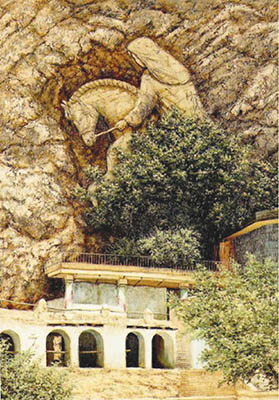
Peer e Sabz shrine in Yazd
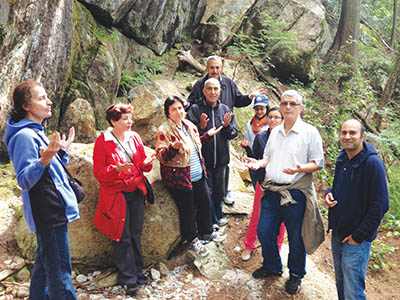
Fariborz Rahnamoon (2nd from right) and fellow Zoroastrians from
Vancouver and Seattle at Shannon Falls
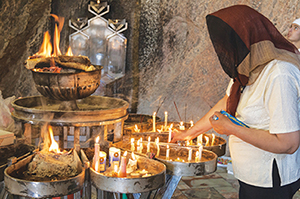
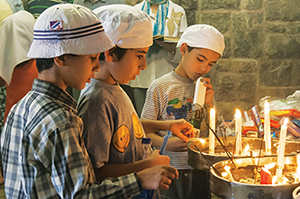
Lighting of candles and prayers in Iran Photos: Zarir Najmi
The 24th to 28th day of the third month of Khordad as per the Fasli calendar which corresponds to June 14-18 in the Gregorian calendar, invariably draws Zarathushtis to the Peer e Sabz shrine in Yazd where "in the middle of a desert region, high up on the mountain there oozes droplets of pure spring water from the face of a stone,” explains Rahnamoon. The story associated with this stone mentions that a fleeing maiden when trying to save her chastity prayed to Ahura Mazda who temporarily opened the mountain and swallowed her. Years later when a famished shepherd fainted of thirst at the same spot, there appeared in his dream a damsel wearing a green robe who assured him droplets of water if he promised to build a shrine in memory of the ladies who lost their lives trying to preserve their honor. The shepherd built a pond on that site to enshrine their memory and each year devotees proceed on a five-day pilgrimage where through prayer, song and dance they continue to honor that sacrifice.
"We in Vancouver go to a place called Shannon Falls. Just like in Yazd, we sing, dance, pray, eat and tell the history of Peer e Sabz to the children,” relates Rahnamoon who was accompanied on this trip by Zoroastrians from Vancouver and Seattle.
"Triumphs and tragedy bind people together. The memory of sacrifices made by people to preserve their identity is a binding force that strengthens unity, gives purpose and meaning, and acts as a stimulant to preserve and continue on an ancestral path,” sums up Rahnamoon.
◆ ◆ ◆
From the archive