
Books
Monajaat heritage
Monajaato Dharmik Ane Tavarikhee Bhakti Geeto na Chitro Saathe by Ervad Irach Sorabji Kuka. Published in 2009 by Athornan Mandal, Navsari Building, 240, Dr Dadabhoy Naoroji Road, Fort, Bombay 400001. Pp: 75. Price: Rs 20.
This is Ervad Irach Sorabji Kuka’s 11th book. At an advanced age of 90 plus, this nonagenarian trustee-in-charge of the Dadar Athornan Institute (DAI) has rendered yeoman service and continues to actively organize programs and spread awareness of our religion and heritage.
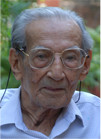
Ervad Irach Kuka: sharing sacred knowledge
In his latest book Monajaato Dharmik Ane Tavarikhee Bhakti Geeto na Chitro Saathe, with his characteristic zeal and enthusiasm, Kuka has versified 25 monajaats or devotional songs in Gujarati. He has made this book interesting by using appropriate, eye-catching color pictures and also added brief notes in English.
The poet has composed songs of religious and historical episodes as also the meanings of our Avesta prayers in simple, easy to understand language. Every song is based on a popular tune. He has given the tune below the title of the song. The explanatory notes on prayer, Prophet Zarathushtra, atash, kusti, path of righteousness, farohar, the flag — Drafshe Kavyaan — Sanjan stambh, Battle of Nehavand are very informative and make readers aware of our religion and history.
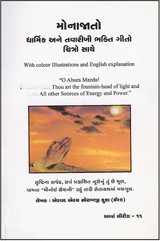
In one of the songs, Jarthosti Mazhab Maaro (based on the Jasa Me Avanghe Mazda prayer and Koi puchhe mane tune) Kuka elaborates that the Mazdayasni religion is a divine message brought by Prophet Zarathushtra from Ahura Mazda, creator of the world, all-powerful and the bestower of blessings. The author has full faith in his religion and the protection of Mazda. Most ideal, the Mazdayasni religion gives righteous direction, sacred knowledge and spreads brotherhood.
Kuka was inspired in his recent effort by DAI principal Ervad (Dr) Ramiyar Karanjia and his wife Havovi. In his preface Karanjia notes that one of the paths to reach God is through music. Such devotional songs are an integral part of our Parsi culture.
Marzban Giara
◆ ◆ ◆
From the archive