
Surat plea admitted
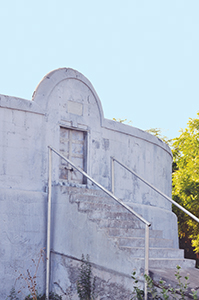
Disapproving of the decision of the Gujarat High Court (GHC) terming the matter "academic,” the Supreme Court (SC) admitted on December 6, 2021 the plea of the Surat Parsi Panchayat (SPP) praying that Covid affected Parsi corpses may be "permitted to be consigned to the Tower of Silence (pictured).”
 The Court issued a notice to the Union government, seeking its response by the second week of January 2022. The bench, however, also added that the rituals would need to be modified to bring it in sync with other Covid guidelines. SPP argued that most Parsis prefer dakhmenashini as the final rites for the deceased, but due to the Covid-19 guidelines for management of dead bodies, Parsis are not allowed to perform dakhmenashini.
Stressing on the right to dakhmenshini by community members, on December 6, 2021, senior jurist Fali Nariman (pictured) argued before the SC, on behalf of the SPP that "coronavirus-caused deaths are increasing in the Parsi community. In Surat alone there were 13 deaths” as The Times of India (ToI) reported on December 7, 2021. "In our faith, even the family members cannot touch the body of a deceased (after the sachkar ceremony — editors). It is the nassessalars who handle the body and take it to the Tower of Silence,” he stated. Nariman said the rituals were essential for the disposal of the bodies and that the rights conferred under Article 21 of the Indian Constitution were available not only to a living person but also to the dead. The 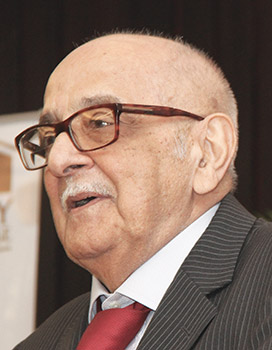 senior lawyer stated that the Covid-19 pandemic guidelines allowed only burial or cremation of bodies, thus having made no provision for Parsis to carry out dakhmenashini. Nariman was appearing before a bench of Justices D. Y. Chandrachud and A. S. Bopanna.
In its July 23 judgment, the GHC had stated that the issue raised in the petition had become "academic” and that the guidelines, "issued in the larger public interest considering extraordinary circumstances prevailing in the country, would take precedence over the individual interest as also over the religious faith and belief of a particular class of the community (see "Surat case: ‘only academic?’” Events and Personalities, Parsiana, July 21-August 7, 2021).”
Farrokh Jijina