
Low lung cancer
 stricture has paid dividends. Research by the Bangalore-based Avesthagen biomedical company found the Parsi community displayed "a lack of association with lung cancer and low frequency of DNA mutational signatures associated with tobacco smoking carcinogen induced cancers," according to a press release from the firm.
The company founded and run by scientist Dr Villoo Morawala-Patell (pictured) has been "collecting a bio bank of Zoroastrian Parsi blood samples and extensive patient data from over 4,500 members of this community" under The Avestagenome Project [see "Gen(e) next," Parsiana, March 7, 2008]. "We believe in bringing science to life by drawing it out of the confines of the laboratory and setting it free to work in the real, everyday world," remarked Morawala-Patell who is the chairman and managing director of Avesthagen Limited.
Through a deeper understanding of genetics, disease and environment, The Avestagenome Project seeks to contribute to global health. With support from the US based Foundation for a Smoke-Free World, Avesthagen is "developing a systems biology based approach for the early predictive biomarkers of tobacco related cancers such as lung, head and neck, esophagus, stomach, colon, 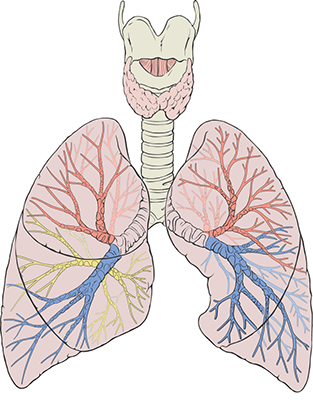 prostate and bladder to achieve cessation of smoking," states the press release. The Foundation recognizes the importance of analyzing a Parsi cohort (a group of people with a shared characteristic).
Population specific reference genomes like the Zoroastrian-Parsi Mitochondrial Consensus Genome assembled by The Avestagenome Project provide the unique opportunity to investigate the architecture of human genomes across different populations. The Zoroastrian-Parsi Genome further showed the "presence of longevity as a trait and associated conditions like cancers of the colon and prostate, neurodegenerative conditions like Parkinson’s, rare diseases and fertility disorders," added the release.