
Readers' Forum
Oneness of religions
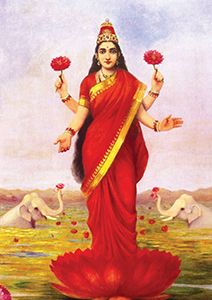
Many Zoroastrians, despite having great faith in their own religion, pray to other Gods in order to receive blessings. Ganesh is believed to ward off obstacles, while Goddess Saraswati and Goddess Laxmi (pictured on pg 8) impart knowledge and prosperity respectively. Some people offer candles at churches while others keep photos of Sai Baba in their homes and workplaces. Certain Zoroastrians allege this is nothing short of a betrayal of our religion. They believe that by serving multiple Gods people are insulting our religion. If that is their belief, such people should pray only to Dadar Ahura Mazda and hold their peace. Those who believe in the oneness of all religions do not feel they are offending Ahura Mazda while paying tribute to Ganpati.
Prophets and saints preached religions as per their own ways of understanding the truth. Zarathushtra stressed on ashoi (righteousness), Christ on love and forgiveness, Buddha on equality and compassion, and so on. Through the Bhagwad Gita, Lord Krishna preached the essence of all religions, a unique philosophy of the "renunciation of the fruits of action,” Swadharma, which is the nature of duty to be performed and must be followed without the desire for its fruits, accepting Him as the true doer and the self as a mere instrument. All religions have preached great virtues, the acceptance of which will benefit us all.
 There are very limited texts of Zoroastrian scriptures, mostly the Gathas, available to us. We do not understand the language and meaning of our prayers, but still we have faith in our religion.
There is a vast ocean of scriptures of many religions available to enlighten our minds and widen our perspective. They would help cultivate in us religious tolerance and the oneness of humanity by accepting all as our own. Religion is to be practiced in such a way that it causes no harm to anyone, or to the environment.
Whatever religion we follow, all humans are born equal. We all belong to one common religion, the religion of humanity. It is not caste, creed or religion that makes us superior to others; it is our karma (deeds) which determines our status as humans.
Zoroastrians have come to believe in their superiority and exclusiveness. Though other communities invite us to participate in their festivities, offering us holy prasad, we often refer to them as darvands, which means wicked. We believe that even their shadow will negate the effects of our prayers and cause us harm. Sharing in their festivities is deemed treason.
We can give the excess chashni (consecrated food) to animals or even throw it in a dustbin, but our prejudices do not permit us to feed it to a starving non-Parsi child. When bogged down by such dogmas, how can we appreciate the message of kindness, compassion, love and forgiveness of the prophets and saints?
Whether you pray to one or multiple Gods, if you pray with a heart devoid of malice, anger, hatred and ill feelings for others, God will respond to your prayers. The Zoroastrian religion tells us — follow your heart and do what you think is right for you.
Let us adopt the policy of live and let live and establish permanent peace and harmony in our community.
PIROJA HOMI JOKHI
piroja.jokhi@yahoo.com
Prophets and saints preached religions as per their own ways of understanding the truth. Zarathushtra stressed on ashoi (righteousness), Christ on love and forgiveness, Buddha on equality and compassion, and so on. Through the Bhagwad Gita, Lord Krishna preached the essence of all religions, a unique philosophy of the "renunciation of the fruits of action,” Swadharma, which is the nature of duty to be performed and must be followed without the desire for its fruits, accepting Him as the true doer and the self as a mere instrument. All religions have preached great virtues, the acceptance of which will benefit us all.
There are very limited texts of Zoroastrian scriptures, mostly the Gathas, available to us. We do not understand the language and meaning of our prayers, but still we have faith in our religion.There is a vast ocean of scriptures of many religions available to enlighten our minds and widen our perspective. They would help cultivate in us religious tolerance and the oneness of humanity by accepting all as our own. Religion is to be practiced in such a way that it causes no harm to anyone, or to the environment.
Whatever religion we follow, all humans are born equal. We all belong to one common religion, the religion of humanity. It is not caste, creed or religion that makes us superior to others; it is our karma (deeds) which determines our status as humans.
Zoroastrians have come to believe in their superiority and exclusiveness. Though other communities invite us to participate in their festivities, offering us holy prasad, we often refer to them as darvands, which means wicked. We believe that even their shadow will negate the effects of our prayers and cause us harm. Sharing in their festivities is deemed treason.
We can give the excess chashni (consecrated food) to animals or even throw it in a dustbin, but our prejudices do not permit us to feed it to a starving non-Parsi child. When bogged down by such dogmas, how can we appreciate the message of kindness, compassion, love and forgiveness of the prophets and saints?
Whether you pray to one or multiple Gods, if you pray with a heart devoid of malice, anger, hatred and ill feelings for others, God will respond to your prayers. The Zoroastrian religion tells us — follow your heart and do what you think is right for you.
Let us adopt the policy of live and let live and establish permanent peace and harmony in our community.
PIROJA HOMI JOKHI
piroja.jokhi@yahoo.com
◆ ◆ ◆
From the archive