
Readers' Forum
Tackling problems
A practicing boiwalla of 50 years standing in Navsari, Ervad Homi Kotwal, rightly opted for burial instead of having his body consigned to the dakhma as he was fully aware of the state of rotting, stinking, decomposed piling up of bodies in the tower of silence.
As per his wishes, he was buried in a dignified manner in a graveyard, even though a dakhma exists in Navsari. His action was a silent slap on all the dhongidox who insist that burial is irreligious and that it is against the tenets of the religion to dispose of a body in any way other than dakhmenashini. Will these obscurantists call a senior priest of 50 years standing from the Vatican of Zoroastrianism, a reformist?
As per his wishes, he was buried in a dignified manner in a graveyard, even though a dakhma exists in Navsari. His action was a silent slap on all the dhongidox who insist that burial is irreligious and that it is against the tenets of the religion to dispose of a body in any way other than dakhmenashini. Will these obscurantists call a senior priest of 50 years standing from the Vatican of Zoroastrianism, a reformist?
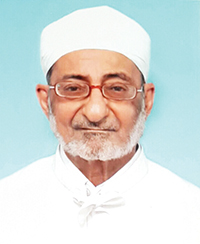
Ervad Homi Kotwal: opted for burial
Most dakhmas in India are surrounded by vast lands. Even in Bombay the Doongerwadi grounds admeasure 55 acres. An average of two bodies are consigned to dakhmas daily and there are only three dakhmas in use. The result is obvious. Whenever the dakhmas are full, the older, rotting and stinking bodies are taken out and buried in a mass grave. So, if ultimately bodies are going to be buried in a mass pit sans dignity, why not permit dignified burial at the outset? As someone remarked, Parsis follow a three in one system with initial exposure to the sun (but there are no sun rays during the monsoon), partial cremation by solar panels , and then finally burial of partially decomposed corpses.
It is high time the Bombay Parsi Punchayet considers providing some part of the 55 acres of land for burial. An acre or two could be marked as an aramgah where bodies may be buried in a dignified manner, for those who so desire.
At the same time, the option of dakhmenashini can be given for those who feel it will enable them to reach garothman behest faster.
HOMI DALAL
homeedalal@gmail.com
homeedalal@gmail.com
◆ ◆ ◆
From the archive