
Events & Personalities
No restrictions on rights
Does the verdict of Bombay High Court Justices Dr Dhananjay Chandrachud and Anoop Mohta in the dispute concerning the renegade priests case impinge on the right of the high priests? According to retired Supreme Court Judge B. N. Srikrishna "the judgment does not in any way dwell on matters of religious faith at all. Nor does it in any way deal with or restrict the powers, rights or duties of the high priests.”
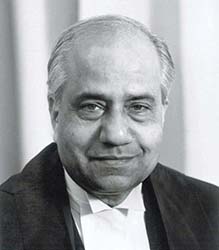
Justice B. N. Srikrishna: priests’ powers untouched
Srikrishna opined that Chandrachud and Mohta had "not opined on any matter of the Zoroastrian faith or whether on a proper interpretation of the Zoroastrian faith the two concerned priests could be held eligible to perform the obsequial service and rites of a true believer in the Zoroastrian faith. As to which person is a truly ordained Zoroastrian priest eligible to perform the obsequial ceremonies and rites of a dead Zoroastrian Parsi, is not a matter on which the court has expressed any views. On the contrary, it has deftly avoided expression of view on the said question as obviously it can only be answered with reference to the religious tenets and religious scriptures of the followers of the Zoroastrian faith.”
The Bombay Parsi Punchayet (BPP) had barred two mobeds Ervads Khushroo Madon and Framroze Mirza from performing any religious ceremonies at Doongerwadi, the Godavara and S. F. Jokhi agiaries. All three properties are managed by the BPP. Community activist Jamsheed Kanga, a former BPP trustee and municipal commissioner of Bombay and Homi Khusrokhan, a former managing director of Glaxo and a director of several Tata companies, took up cudgels on behalf of the duo asserting that the BPP trust deed did not empower them to ban the two priests and that Parsi Zoroastrians had a right to select duly ordained Parsi priests to perform religious prayers and ceremonies of their choosing. Supporters of the ban have alleged the judgment restricts the powers of the high priests.
The BPP filed a special leave petition before the Supreme Court when the matter was referred to mediation. The talks are still on.
◆ ◆ ◆
From the archive