
Events & Personalities
Tale of two Ghandys
The arrest in September 2009 of senior politburo member of the banned Communist Party of India (Maoist) Kobad Ghandy made national headlines because of the apparent contradiction of his privileged background and his espousal of social (and violent)

Kobad Ghandy: Maoist rebel
revolution, wrote columnist Ajit Ranade in Mumbai Mirror (MM) of October 17, 2009. The Maoist ideologue had worked for over three decades among tribals in Naxalite infested regions like Gadchiroli and probably in Chhatisgarh and Jharkhand as well. In fact, according to Ranade, it is due to the work of leaders like Ghandy that the government has acknowledged that Naxalism is not merely a law and order problem but also a socioeconomic one.
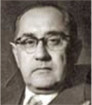
Sir Jehangir Ghandy of Tata Steel
This reminded the columnist of another Ghandy from a similar background who, moving from Bombay to Jamshedpur in 1917, devoted his life to the social and economic development of Jharkhand, earlier part of Bihar. In 1938 he became the first Indian manager of Tata Steel and was a director of Tata Industries when he was knighted in 1945. In 1958 Sir Jehangir Ghandy received the Padma Bhushan for contributing greatly not only to the industrial development of the steel city of Jamshedpur but also the steel sector nationally. Loved and respected by workers, his legacy has survived long after he passed away in 1972.
Thus concludes the columnist: "Two Ghandys with similar privileged upbringing, fired by the desire to contribute to people’s lives, but who chose two radically different paths.”
◆ ◆ ◆
From the archive