
Literature
“…if thou issueless shall hap to die…”
William Shakespeare’s exhortations to marry and have children is still pertinent
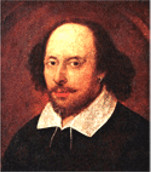
It is not Parsis alone who decry the unmarried and childless. Writing 400 years ago, playwright and poet William Shakespeare urged the young to marry and procreate:
"But if thou live, remember’d not to be,
Die single, and thine image dies with thee.”
Of the 154 sonnets Shakespeare penned, the first 17 focus on this theme. Parsiana reprints a few lines from the selective relevant sonnets for our readers.
I
From fairest creatures we desire increase,
That thereby beauty’s rose might never die,
But as the riper should by time decrease,
His tender heir might bear his memory;
II
How much more praise deserv’d thy beauty’s use,
If thou couldst answer – ‘This fair child of mine
Shall sum my count, and make my old excuse —’
Proving his beauty by succession thine!
This were to be new-made when thou art old,
And see thy blood warm when thou feel’st it cold.
VI
Then what could death do if thou shouldst depart,
Leaving thee living in posterity?
Be not self-will’d, for thou art much too fair
To be death’s conquest and make worms thine heir.
VIII
Mark how one string, sweet husband to another,
Strikes each in each by mutual ordering.
Resembling sire and child and happy mother,
Who, all in one, one pleasing note do sing:
Whose speechless song, being many, seeming one,
Sings this to thee, ‘thou single wilt prove none.’
IX
Ah! if thou issueless shalt hap to die,
The world will wail thee, like a makeless wife:
The world will be thy widow, and still weep
That thou no form of thee hast left behind...
But beauty’s waste hath in the world an end,
And kept unus’d, the user so destroys it.
No love toward others in that bosom sits,
That on himself such murderous shame commits.
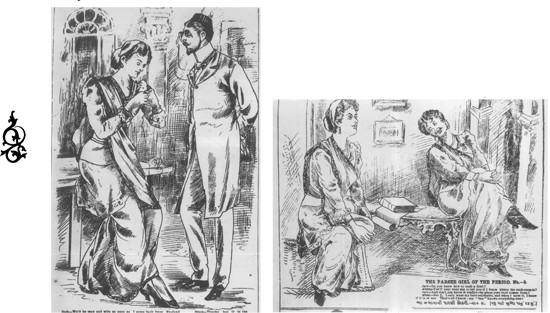
Illustrations from the Hindi Punch
X
Make thee another self, for love for me,
That beauty still may live in thine or thee.
XI
As fast as thou shalt wane, so fast thou grow’st
In one of thine, from that which thou departest.
And that fresh blood which youngly thou bestow’st,
Thou mayst call thine, when thou from youth convertest.
Herein lives wisdom, beauty, and increase:
Without this, folly, age, and cold decay.
If all were minded so the times should cease,
And threescore years would make the world away.
Let those whom Nature hath not made for store,
Harsh, featureless, and rude, barrenly perish:
Look whom she best endow’d, she gave the more;
Which bounteous gift thou shouldst in bounty cherish;
She carv’d thee for her seal, and meant thereby
Thou shouldst print more, nor let that copy die.
XII
Then of they beauty do I question make,
That thou among the wastes of time must go,
Since sweets and beauties do themselves forsake,
And die as fast as they see others grow;
And nothing ’gainst time’s scythe can make defence
Save breed, to brave him when he takes thee hence.
XIII
Against this coming end you should prepare,
And your sweet semblance to some other give.
So should that beauty which you hold in lease
Find no determination: then you were
Yourself again, after yourself’s decease,
When your sweet issue your sweet form should bear.
Who lets so fair a house fall to decay,
Which husbandry in honor might uphold
Against the stormy gusts of winter’s day,
And barren rage of death’s eternal cold?
O! none but unthrifts: — Dear my love, you know
You had a father; let your son say so.
XVII
Who will believe my verse in time to come,
If it were fill’d with your most high deserts?
Though yet, Heaven knows, it is but as a tomb
Which hides your life, and shows not half your parts.
If I could write the beauty of your eyes,
And in fresh numbers number all your graces,
The age to come would say, this poet lies,
Such heavenly touches ne’er touch’d earthly faces.
So should my papers, yellow’d with their age,
Be scorn’d, like old men of less truth than tongue;
And your true rights be term’d a poet’s rage,
And stretched meter of an antique song:
But were some child of yours alive that time,
You should live twice; — in it, and in my rhyme.
◆ ◆ ◆
From the archive