
Readers' Forum
The courage of conviction
Former accounts clerk with the BPP, Ervad Framroze Mirza has been a voluble supporter of the right of the children of intermarried Zoroastrians to be accepted by the community, as also of performing the proper ashirvad ceremony, even when one of the partners to the marriage belongs to another community. He has also performed the four-day funerary prayers for those who opt for cremation and was among the 22 mobeds who aligned with the DDD-AG in 2001 when the latter sought the use of Doongerwadi bunglis for such purpose. In the process the Athornan Mandal and the high priests placed a list of their names on the notice boards of all agairies and atash behrams, mandating that they be ostracized.
Understandably, Mirza is bitter that the elitist body succumbed to pressure and, in the belief that the solar reflectors installed at the dakhmas would eliminate the problems of rotting bodies and the resulting stench, called off its stir. In the process full-time mobeds who had agreed to work for them were left in the lurch and were humiliated into apologizing to the status quoists for the sake of their livelihood. Mirza did not apologize and continued to proffer his services to the community while proceeding with his work at the BPP. That is, he says, until he was pressured into accepting their "golden handshake.”
Mirza says he began his mobed career standing with his father to officiate at the mass navjotes of "poor Parsi children” organized by Ervad Cavas Masani of the Anjuman Atash Behram on behalf of the Youths’ Own Union in the 1970s. He recalls two or three such occasions when more than 50 children at a time were initiated. At that time he says he did not realize who these "garib bachhao (poor children)” were! As it happens, these are the people who man the agiaries and Doongerwadi today as chasniwallas and khandhias, he notes.
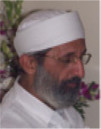
"We are praying for the soul and not the body. What difference does it make whether the body is cremated or consigned to the dakhma?” Ervad Framroze Mirza
Claiming that Dastur Kaikhusroo JamaspAsa had called him and told him to stop conducting the last rites of those cremated, Mirza says, "I told him, show me that the dakhmas are working properly…If you don’t approve of cremation, make an aramgah. But there was no answer. Jèm aapré khadhaa vagar jivi nahi sakié, tèm gidhraa vagar dakhmu chali nahi saké (Just as we cannot survive without food, so too a dakhma cannot function without vultures). Time was when the vultures would strip a body in a few hours. When the khandhias went in to lay a body in the evening, there would be no trace of the one left in the morning,” he relates, adding, "But now there are no vultures. So how can you revive dakhmenashini?” He says he told the BPP, "You say the dakhmas are working. I say that they are not working. Instead of keeping up a controversy, keep the dakhmas open to the community for just two days. See what the community says!
"During four months of the monsoon the solar concentrators are closed… It is a torture to the khandhias going into the dakhma every day. No one can stand the smell and the sight…I feel we are playing a dirty game with the corpses. There are many people who have said they want cremation, including mobeds who cannot say so openly because their livelihood is at stake. I want cremation for myself.
"We are praying for the soul and not the body. What difference does it make whether the body is cremated or consigned to the dakhma? When someone is cremated outside India, even the dasturs sit to pray! America ma cremate thaya ni (He was cremated in America)! Such a one is allowed,” Mirza notes sarcastically.
Mary and Framroze Mirza have no surviving children. Today they consider it as a favor by Ahura Mazda for, as the saying goes, your children make you a hostage to fortune. "If I had children and grandchildren I may not have had the courage to do what I do, act according to my convictions without fear.”
Mirza’s "only concern” is that the ARZ should not give up midway: "It disturbs the work and the mind of the community. They should go on. Trouble will come, no doubt. You have to face it. If you can’t, don’t start these things.”
He appeals to the "big shots of the community, people who are really interested in bringing up our community” to come forward with good donations to create a proper prayer hall. "Construct a hall where such people can worship and where we can have ceremonies. I am ready to serve, to look after it. I don’t want any salary... Let the dasturs talk, let Khojeste (Mistree) talk. Let us do what we want, constructive work. Main thing is a place. Without it, it’s all humbug. All these controversies have led the younger generation to lose faith in the priests and the religion.”
◆ ◆ ◆
From the archive