
Readers' Forum
Mozart and Zoroaster
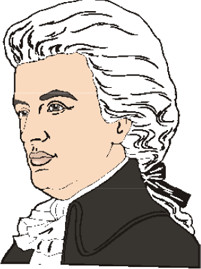
During the recent rehearsals for The Magic Flute I was first intrigued and then obsessed by the character Sorastro who plays the high priest of the temple in the opera. By researching this character and the opera further it is fairly clear that Mozart derived the name Sorastro from that of Zoroaster, the founder of our faith.
However the story does not end with a mere twist or imitation of the name. On reading through the opera it is quite clear, to me at least, that Mozart was more than aware of the basic teachings of our Prophet when he wrote this opera. How else can you reconcile Sorastro’s association throughout the opera with truth, light and reason?
The principal characters have to undergo the ordeal of fire and water during their initiation ceremony and in the final scene the queen of the night and her court (representing darkness, untruth and evil — characteristics of the destructive spirit Angra Mainyu) are overcome by Die Strahlender Sonne which means the sun’s golden radiance or light.
Surely it defies logic to suggest that Mozart could have written this inspired piece of music and associated Sorastro with truth, light, radiance, nature and reason without some basic knowledge of the teachings of Lord Zoroaster?
The opera has often been considered an allegory of freemasonry and it is true that Mozart was a committed freemason. However the striking similarities between the message of Sorastro and Zoroaster also make me wonder if the great composer was aware, not just of the name of our great Prophet, but also his message.
NOSHIR J. KHAMBATTA
Crawley Down, UK
◆ ◆ ◆
From the archive