
Priest and prejudice
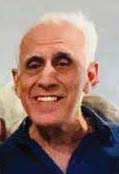 lay comatose in bed, trying every medical option at great financial expense. Parsi Zoroastrian men married to non-Parsis continue to be Parsi Zoroastrians, so why were funerary prayers denied to him? Under which Gatha, the only songs and utterances of Zarathushtra available to us, was this denied? The Ahunavaiti Gatha in fact states, "‘How do I choose the right path?’ Answer: ‘Do not entrust religious instruction to the fanatic’" (Ervad Kavasji Kanga’s translation — Yasna 31.17). Scholar Irach Taraporewala translated the passage as: "Let him that knows inform the wise; no longer let him that knows nothing deceive. Be to us, O Mazdah Ahura, the Teacher of Good Thought."
Hansotia lived by conviction in the true Zarathushti way. He did the right thing because it was the right thing to do.
MEHROO KOTVAL
mkotval@gmail.com
It is indeed unfortunate that Mr. Hansotia was denied the four days' prayers at the Karani Agiary. But I believe that the Davar Beaman judgement of the Bombay High Court itself needs to be revisited. It was passed in pre independence days when there was no Indian constitution. I doubt if its definition of a Parsi will stand scrutiny under Article 14 of the Indian Constitution, as it seems discriminatory against women. I do hope that the Supreme Court, when it finally gets around to hearing the Goolrukh Gupta matter, definitively ends this gender discrimination.
Makes one sad reading such news. Both my parents were very staunch and pious Zoroastrians and if alive would not have agreed with the views of the Dasturji, who is Keeper of the faith denying the four days prayers for a good man who did great service to his community. A community with fewer than 60,000 adherents most of them over 50 years old instead of delving on solutions to prevent the extinction of the community are doing the contrary.