
Zoroastrians Abroad
Zooming ahead
Arzan Wadia takes over as the youngest president of the Federation of Zoroastrian Associations of North America
 "Over the last four years I have had a ringside seat in seeing how FEZANA (Federation of Zoroastrian Associations of North America) works and functions. Shadowing our president Homi Gandhi, I was able to learn the nuances of what FEZANA is and how it has evolved to its current state over the last 33 years. It was also a time for me to formulate ideas and (a) vision of where I would like to see it in the future,” stated the erstwhile vice president and newly elected president Arzan Wadia. He was addressing the 33rd annual general meeting (AGM) of FEZANA, held virtually over Zoom on June 20, 2020. Among the members and friends of FEZANA who had logged in were 22 of the 27 member associations, two of the 14 small groups, chairs of over 20 committees and all the eight past presidents as reported on the organization’s website fezana.org.
"The coming decade will be a transformative one for Zarathushtis in North America…We will have to empower ourselves with the right knowledge, not just about the religion, but also our history, culture and traditions… We need to embrace our differences and then highlight them because that is what makes us one beautiful Zoroastrian tapestry,” stated Wadia, sharing the contents of his speech and action plan with Parsiana.
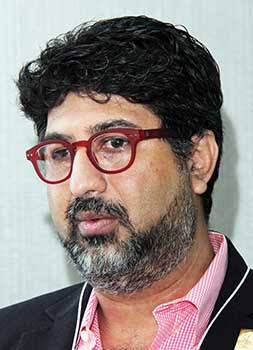 Wadia related how he got involved in community service when 10 years ago at the behest of Sheroo and Vispi Kanga he started attending events organized by the Zoroastrian Association of Greater New York (ZAGNY). "To someone from India, having grown up in a Parsi colony, finding ZAGNY was like finding a slice of home in my new home,” admitted Wadia who then became its board member. The responsibility of maintaining the FEZANA website is being shouldered by the architect and designer since 2012 when the then newly elected FEZANA president Katayun Kapadia asked him if he would volunteer his services. That was "a second life changing moment.” Four years later he heeded the advice of FEZANA past president Framroze Patel to run for elected office at FEZANA "as one way to make the biggest impact.” That was in 2016 when he was elected vice president.
Wadia’s team of office bearers includes interim vice president Ervad Kayomarz Sidhwa who has been serving the executive of the
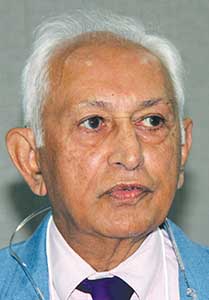 Zoroastrian Association of Houston in a variety of positions and brings tremendous organizational and fund-raising experience to FEZANA. Treasurer Rooky Fitter was elected to her second two-year term as treasurer and is currently president of ZACLA (Zoroastrian Association of California – Los Angeles) being involved with the organization for decades. Assistant secretary Xerxes Commissariat too was elected to his second term at FEZANA and has been serving the ZACLA board in various capacities. Secretary Percy Master of Houston will begin the second year of his second and final term. He has served the ZAH executive in various roles over the years.
Clockwise from top: Arzan Wadia, Homi Gandhi, Xerxes Commissariat, Percy Master,
Rooky Fitter Photos: Jasmine D. Driver; Ervad Kayomarz Sidhwa, Tanya Hoshi
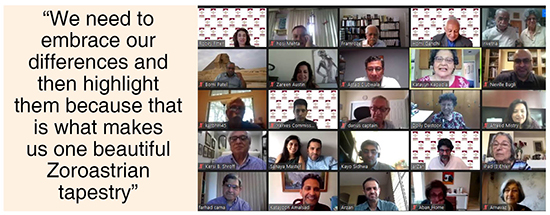
33rd annual general meeting of FEZANA on Zoom
"To engage, energize and empower”
The youngest president of FEZANA, 46-year-old Wadia’s action plan reflected the mood and momentum he sought to introduce. He was keen to set up the FEZANA President’s Advisory Council to guide the executive. The systems of internal governance should be made contemporary, believed the new president. He was hopeful that every FEZANA committee would be co-chaired by a passionate youth and a seasoned veteran who would be empowered to come up with strategies.
To remain relevant for the youth who access most of their information via social media, FEZANA appointed Tanya Hoshi of Toronto as its first chief social media officer. A 28-year-old award winning film producer at Shopify (a Canadian multinational company that customizes e-software as per customer needs), Hoshi had run the social media and digital campaigns for the Zoroastrian Return to Roots program that brings young Zoroastrians to India to familiarize them with their religious and ethnic heritage.
"To engage, energize and empower our youth,” the Zoroastrian Youth of North America (ZYNA) committee needs to be revamped such that the youth can be made equal partners in all decision making roles to shape the Zarathushti future they want, felt Wadia. He was hoping ZYNA would take the lead in organizing for the first time a North American Summer Camp Program for those aged between six and 18 as also a global Zoroastrian Youth Exchange Progam.
Wadia was in favor of introducing a Zoroastrian Massive Open Online Course (MOOC) with unlimited participation and open access via the web. Dinsha Mistree from the Bay Area will explore ways of setting this up for FEZANA. Some of the other initiatives he recommended were a curated series of monthly FEZANA Talks, the Friends of FEZANA program to harness the goodwill prevailing within the larger fabric of North American life, and formalization of partnerships and collaborations with institutions pursuing common goals. Fund-raising efforts and negotiations are in progress to establish a professorship in Zoroastrian Studies at the University of Toronto.
Whilst assuring support to the heads of committees, Wadia urged the Funds and Finance Committee to institutionalize procedures for legacy gifting, estate planning and bequests. Following research done by Funds and Finance Committee co-chair Nawaz Merchant, Wadia recommended the institution of a Seniors Committee at FEZANA to address their needs. He stressed on the need to reestablish a 24-hour helpline to attend to calls regarding domestic violence, racial discrimination, immigration issues and related concerns.
"FEZANA shall never compete with your association. In our relationship, there is no us or them. It is only we…” the members were reassured. "With the support of our 27 member associations, 14 small groups and over four dozen committee chairs and past presidents, we will strive to at least lay the groundwork…”
Outgoing president Homi Gandhi summarized the highlights of his four years that earned him a standing ovation for his immense service to the organization. He mentioned that the efforts of the executive to improve financial discipline, stability and growth resulted in the total value of FEZANA investments increasing from $ 1.07 million Rs 8,01,93,878) to $ 2.20 million (Rs 16,48,84,610) with disbursements for welfare and critical assistance rising from $ 33,000 (Rs 24,73,269) to $ 85,000 (Rs 63,70,542). During this period, 10 more scholarships were introduced (including Culinary Arts and Birdy endowment received in early 2020). An anonymous legacy, estimated to be $ 500,000 (Rs 3,74,73,775) at the time of giving, was to be equally divided for academic scholarship and welfare and critical assistance at maturity.
Among the new initiatives introduced were the establishment of the Zarathushti Entrepreneurship Development Foundation (ZEDF) and the FEZANA Professorship of Zoroastrian Languages and Literature at the University of Toronto. He recommended the need to take stock of community perceptions/progress by studying available sample surveys on Zoroastrian women, oral history, identity making, role of religion by researchers Paulina Niechciał, Farah Shroff, Kakali Bhattacharya and Dr Howard Gontovnick. An architectural survey supported by FEZANA helped identify the Paykhand’s fire temple in Uzbekistan.
His efforts to increase hamazori within the global Zarathushti community and with the non-Zoroastrian world, to promote the youth and interfaith dialog were captured by Afreed Mistry of Canada who co-chairs the UN-NGO Committee and had created a slide show for those in attendance at the AGM. In a video link on the FEZANA website, Gandhi raised a toast to "the dawn of a new era for FEZANA… As the next generation steps up to lead this august institution, I have full faith in their ability and sound judgment… To be able to pass on the reins to the next generation is evidence of resurgence of energy in our North American Zoroastrian community. I have no doubt the best is yet to come.”
The youngest president of FEZANA, 46-year-old Wadia’s action plan reflected the mood and momentum he sought to introduce. He was keen to set up the FEZANA President’s Advisory Council to guide the executive. The systems of internal governance should be made contemporary, believed the new president. He was hopeful that every FEZANA committee would be co-chaired by a passionate youth and a seasoned veteran who would be empowered to come up with strategies.
To remain relevant for the youth who access most of their information via social media, FEZANA appointed Tanya Hoshi of Toronto as its first chief social media officer. A 28-year-old award winning film producer at Shopify (a Canadian multinational company that customizes e-software as per customer needs), Hoshi had run the social media and digital campaigns for the Zoroastrian Return to Roots program that brings young Zoroastrians to India to familiarize them with their religious and ethnic heritage.
"To engage, energize and empower our youth,” the Zoroastrian Youth of North America (ZYNA) committee needs to be revamped such that the youth can be made equal partners in all decision making roles to shape the Zarathushti future they want, felt Wadia. He was hoping ZYNA would take the lead in organizing for the first time a North American Summer Camp Program for those aged between six and 18 as also a global Zoroastrian Youth Exchange Progam.
Wadia was in favor of introducing a Zoroastrian Massive Open Online Course (MOOC) with unlimited participation and open access via the web. Dinsha Mistree from the Bay Area will explore ways of setting this up for FEZANA. Some of the other initiatives he recommended were a curated series of monthly FEZANA Talks, the Friends of FEZANA program to harness the goodwill prevailing within the larger fabric of North American life, and formalization of partnerships and collaborations with institutions pursuing common goals. Fund-raising efforts and negotiations are in progress to establish a professorship in Zoroastrian Studies at the University of Toronto.
Whilst assuring support to the heads of committees, Wadia urged the Funds and Finance Committee to institutionalize procedures for legacy gifting, estate planning and bequests. Following research done by Funds and Finance Committee co-chair Nawaz Merchant, Wadia recommended the institution of a Seniors Committee at FEZANA to address their needs. He stressed on the need to reestablish a 24-hour helpline to attend to calls regarding domestic violence, racial discrimination, immigration issues and related concerns.
"FEZANA shall never compete with your association. In our relationship, there is no us or them. It is only we…” the members were reassured. "With the support of our 27 member associations, 14 small groups and over four dozen committee chairs and past presidents, we will strive to at least lay the groundwork…”
Outgoing president Homi Gandhi summarized the highlights of his four years that earned him a standing ovation for his immense service to the organization. He mentioned that the efforts of the executive to improve financial discipline, stability and growth resulted in the total value of FEZANA investments increasing from $ 1.07 million Rs 8,01,93,878) to $ 2.20 million (Rs 16,48,84,610) with disbursements for welfare and critical assistance rising from $ 33,000 (Rs 24,73,269) to $ 85,000 (Rs 63,70,542). During this period, 10 more scholarships were introduced (including Culinary Arts and Birdy endowment received in early 2020). An anonymous legacy, estimated to be $ 500,000 (Rs 3,74,73,775) at the time of giving, was to be equally divided for academic scholarship and welfare and critical assistance at maturity.
Among the new initiatives introduced were the establishment of the Zarathushti Entrepreneurship Development Foundation (ZEDF) and the FEZANA Professorship of Zoroastrian Languages and Literature at the University of Toronto. He recommended the need to take stock of community perceptions/progress by studying available sample surveys on Zoroastrian women, oral history, identity making, role of religion by researchers Paulina Niechciał, Farah Shroff, Kakali Bhattacharya and Dr Howard Gontovnick. An architectural survey supported by FEZANA helped identify the Paykhand’s fire temple in Uzbekistan.
His efforts to increase hamazori within the global Zarathushti community and with the non-Zoroastrian world, to promote the youth and interfaith dialog were captured by Afreed Mistry of Canada who co-chairs the UN-NGO Committee and had created a slide show for those in attendance at the AGM. In a video link on the FEZANA website, Gandhi raised a toast to "the dawn of a new era for FEZANA… As the next generation steps up to lead this august institution, I have full faith in their ability and sound judgment… To be able to pass on the reins to the next generation is evidence of resurgence of energy in our North American Zoroastrian community. I have no doubt the best is yet to come.”
◆ ◆ ◆
From the archive