
Tribute to Jamsetji Tata
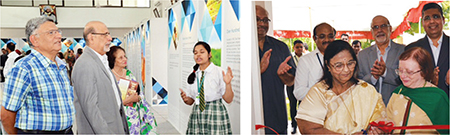
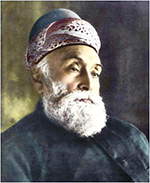
"We want our young generation to know what we have learnt from the life of JNT. That one must pursue one’s dreams and convert them into reality through high work and dedication, so as to benefit not just one’s self but also our community and our country," said Dr Mehru Major Dadachanji, managing trustee of the J. N. Tata Girls High School and Junior College, Nagpur.
The fortunes of JNT and Nagpur, especially those of its Parsi community, have been closely linked. Tata established his first business venture, The Central India Spinning and Weaving Company (later named the Empress Mills) in the city in 1874, when he was just 34 years old. It became one of the largest employers of the region and the profits and experience gained there helped establish the Tata Iron and Steel Company and other industries. Among the other facilities JNT established in Nagpur were the J. N. Tata Parsi Girls School, one of the earliest schools for girls, and the Bezonbagh Colony for the Mill’s workers.
The Tata Central Archives, located in Poona, is a division of Tata Services Limited, a repository where records, photographs, manuscripts and memorabilia are well maintained. They help keep alive the history and achievements of the Tata group for future generations and are an important resource for researchers. Present at the exhibition, along with Mistry, were archivists Rajendraprasad Narla, Freny Shroff and Vanessa Fernandes.
The exhibition was visited by many, including groups of school students. The display area was divided into four major sections — Education, Enterprise, Environment and Engagement. JNT, being keenly aware of the importance of education, had set up the J. N. Tata Scholarship for students wanting to pursue higher studies. Enterprise showcased the many industries and institutions started by Tatas. In the Environment section, the group’s commitment to conserving nature was highlighted. Tatas were the first to realize the possibility of producing hydro-electricity in the Western Ghats, to provide power to the metropolis of Bombay.
The film Keepers of the Flame was screened for students, followed by a quiz, the winners of which received attractive prizes. The exhibition remained open to the general public from 9 a.m. to 7 p.m.