
Zoroastrians Abroad
Meeting in Moscow
A KGB officer from the premier national security agency of the then Soviet Union called Jamsheed Marker in end 1971 when he was the Pakistani ambassador based in Moscow. The officer wanted to know how the ambassador could have warmly embraced the Indian Army chief Sam Manekshaw when the two countries were on the brink of war. This anecdote was related by Marker for The Week, May 27, 2012.
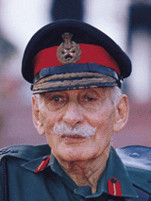
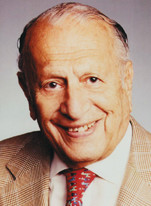
Field Marshal Sam Manekshaw (left) and Jamsheed Marker: enduring friendship
Manekshaw was then visiting Moscow to discuss war preparedness with Soviet leaders. When Marker learnt that Manekshaw was to attend a show at the famed Bolshoi Theatre, he strategically positioned himself and his wife Diana in front of the Czar’s private salon to ensure that they did not miss the Indian chief. To the surprise of the KGB staff, the two heads greeted each other like long lost friends and Manekshaw planted "two moustache-fringed kisses on Diana’s cheeks. The trio then began conversing in Gujarati.”
What the security did not know was that the duo had been friends since 1943 when Manekshaw was in Quetta, home turf for Marker, doing a course at the Staff College while on a break from the front line to heal the wounds he sustained in Burma during World War II. Marker who had studied at the Doon School, Dehradun, had many close friends in the Indian bureaucracy and military. "These friendships often came in handy to tide over tensions between India and Pakistan,” added The Week.
Believing that Indo-Pak relations were better handled in the past due to common friendships and connections that leadership on both sides inherited before Partition in 1947, the nonagenarian diplomat conveyed to The Week, "After working for a lifetime from the founding of the country through most of its trials, I do not want Pakistan to fail. I feel Jinnah’s idea of Pakistan had enough space for Pakistanis of different religious and cultural backgrounds. Jinnah’s vision has critics in India, but as a Pakistani of Zoroastrian culture I can say that Jinnah genuinely wanted a country that would accommodate all varieties of people.”
◆ ◆ ◆
From the archive