
Zoroastrians Abroad
A dakhma in Texas?
"For the past year or so, some of us have been actively trying to convince the Texas health authorities about the virtues of sky burial or dakhmenashini as we call it. Last month our endeavors paid off when we received official confirmation from the Department of State Health Services, Austin, Texas, that if we followed certain regulations relating to the preservation of the environment, our method of sky burial will be permitted in Texas.”
The probability of creating a non-consecrated dakhma in the US has been titillating the Zoroastrian Internet community for the past few months. A second one, for cosmopolitan use, is also under consideration. The above quoted first authentic announcement of the possible development was published by California based Il-me-Khshnoomist Silloo Mehta in her quarterly publication The Mazdayasnie Connection (Volume 26, Issue 1, Spring 2007), thanking Jehangir Shroff of Houston for obtaining the permission and Ervad Jal Birdy for providing religious guidance.
The proposed location of the dakhma and an associated bungli may be on a slightly elevated site in the 10-acre plot deeded to the Pelican Sanctuary by Bishop George Haw Russell exclusively for the disposal of the deceased in a natural form irrespective of culture, race or religion. Other permitted modes of disposal would include Green Burial where the body is encased in biodegradable material such as cardboard and the burial of ashes after cremation. The area may also be used for nature study and spiritual retreats and ceremonies.
The Pelican Sanctuary itself is part of 716 acres dedicated to preserving the natural habitat in an environmentally safe manner, notes Shroff after a firsthand observation of the site in Waterwood (Huntsville) in the company of Houston mobed, Ervad Peshotan Unwalla. They were escorted by Russell who has named this area Holy Trinity Wilderness Cathedral. Russell heads the Universal Ethician Church where "ethician” is a person respecting the creations of God, including nature, plants, animals, birds, reptiles, insects, etc, notes Shroff. The Wilderness Cathedral is part of Russell’s 2,000 acre wilderness estate, parts of which may be sold for low density residential and recreational developments, states Shroff.
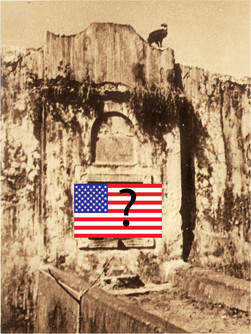
Old technology in the New World
The dakhma site referred to is said to be 150-200 ft inland from Lake Livingston. "The vast expanse of the lake gave the area a majestic, tranquil appearance. The area is wooded with oak, pine and other trees and brushes. The area was originally a campground. There is no electricity, municipal water or sewer system available… There are a few vulture, black eagle, turkey eagle and crow habitats in the vicinity.” Shroff concludes his description of the place: "A pristinely maintained natural habitat, where elements of nature such as living organisms, including humans, animals, birds, plants, trees and microorganisms recycle back into mother nature…”
While there is no rental expense envisaged, "Russell’s only condition is that we build the dakhma in as authentic a fashion as we can, without any modern-day frills,” notes Mehta. Some preliminary plans have been prepared and the cost of the dakhma is estimated at US $ 150,000 plus another US $ 250,000 for the "priest’s bungalow where the prayers will be held.” An additional US $ 100,000 will need to be invested to provide for the estimated annual maintenance cost at US $ 5,000. "Our thought is to raise approximately US $ 500,000 to be able to see this project to fruition, hopefully within the next two years,” notes the write-up, soliciting donations. Silloo Mehta may be contacted on +1-949-551-5252.
◆ ◆ ◆
From the archive